Are you torn between more space and a quick, one-seat train ride to Manhattan? If you’re weighing Fairfield County towns, Wilton offers a quiet, wooded setting that feels like the country while still keeping you connected. In this guide, you’ll learn what day-to-day life looks like, how commuting really works, what to expect from schools, parks, prices and property taxes, and how Wilton compares to busier coastal towns nearby. Let’s dive in.
Living in Wilton: the day-to-day
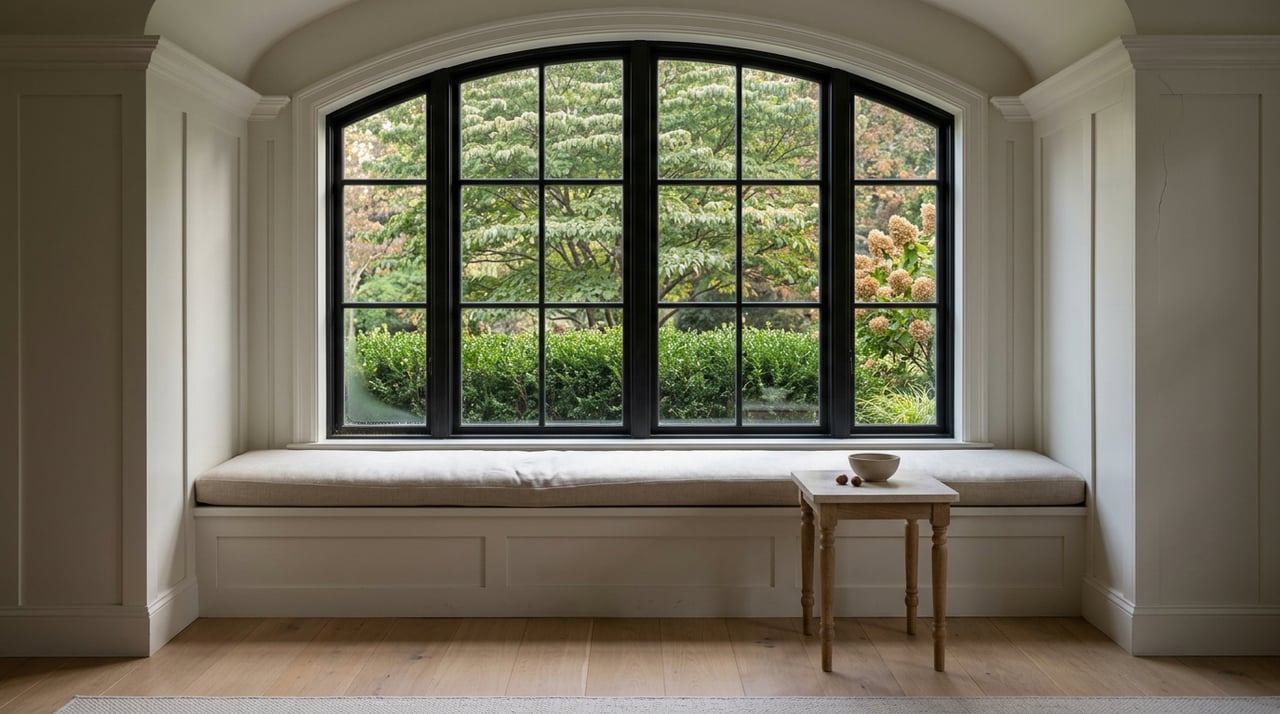
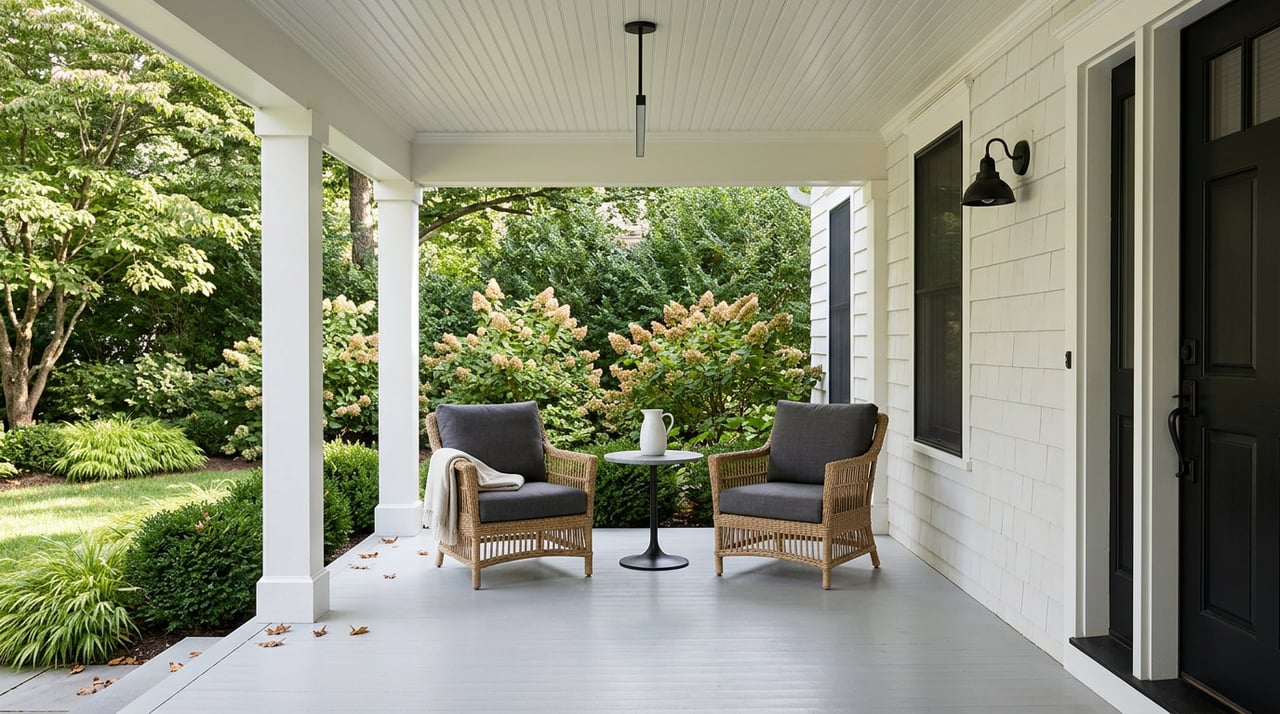
Wilton is an inland, wooded town in north-central Fairfield County with about 27.4 square miles and roughly 18,500 residents, according to the latest census snapshot. It’s lower density than many coastal neighbors, which is a big part of its appeal for people who want room and privacy. You’ll see tree-lined roads, larger lots, and preserved open space that create a calm, country-like feel. (Town overview)
Daily life centers on a few small hubs rather than one long main street. Wilton Center is home to the library, a cluster of shops and restaurants, and the town green where many seasonal events take place. South Wilton and Cannondale add more local stops. Outside those areas, most errands and after-school trips are car-based, so plan for short drives over daily strolls. (Wilton Library programs)
If you value a quiet home base and active community programming, you’ll likely feel right at home. If you want to walk to everything every day, you might prefer a denser coastal town.
Who Wilton fits best
- You want larger yards, wooded surroundings, and more privacy.
- You like small-town civic life, with library events, local sports, and seasonal concerts.
- You are comfortable driving for errands and activities.
- You can accept a longer train ride or a short drive to a mainline station for faster rail service.
Schools and family life
Wilton Public Schools is a single PreK–12 district serving about 3,700 students. The district highlights very strong academic performance, including high state accountability results and strong AP outcomes at Wilton High School. Families often cite the schools as a top reason to choose Wilton. For current performance data, programs, and enrollment details, start with the district site. (Wilton Public Schools)
After-school life is active. PTAs are engaged, the library runs robust arts and enrichment programming, and town fields are busy with youth sports. Just plan on driving between activities, since much of town is not set up for all-day walking. (Wilton Library events)
Commuting to NYC: real options
Wilton is served by the Metro-North Danbury Branch. Service runs, but it is less frequent and typically slower to Grand Central than the New Haven Line that serves many coastal towns. Many residents use a hybrid strategy: ride the Danbury Branch when it fits, and drive to a mainline station on busy days to catch faster, more frequent trains.
For planning, check the current Danbury Branch timetable to see inbound patterns and transfers, then compare them to the New Haven Line express options. Schedules and travel times vary by time and day. (Danbury Branch timetable, New Haven Line timetable)
Scenario A: Ride the Danbury Branch
- Pros: Minimal driving, smaller stations, straightforward routine if you live near Wilton Center or Cannondale.
- Tradeoffs: Fewer trains, more transfers, and typically longer door-to-door times to Grand Central.
- Tip: Time your inbound and outbound trains, and build in a buffer for transfers at South Norwalk.
Scenario B: Drive to a mainline station
- Pros: More frequent service and faster express trains from South Norwalk, Westport, or Stamford.
- Tradeoffs: Adds 10–25 minutes of driving depending on traffic and your address, plus parking considerations.
- Tip: If daily speed is critical, target homes with easy access to Route 7 and the Merritt Parkway for a predictable station drive.
Parks, trails, and weekends
If you love the outdoors, Wilton makes it easy to get outside. Merwin Meadows offers a pond, playground, and seasonal programming for families. Schenck’s Island provides river access and walking paths right near Wilton Center. Segments of the Norwalk River Valley Trail run through town for walking and biking. You also have Weir Farm, a National Park Service site, which brings art and landscape together for a unique local experience. For current programs, passes, and seasonal events, check the town’s Parks and Recreation brochure. (Parks & Rec seasonal guide)
Housing, prices, and property taxes
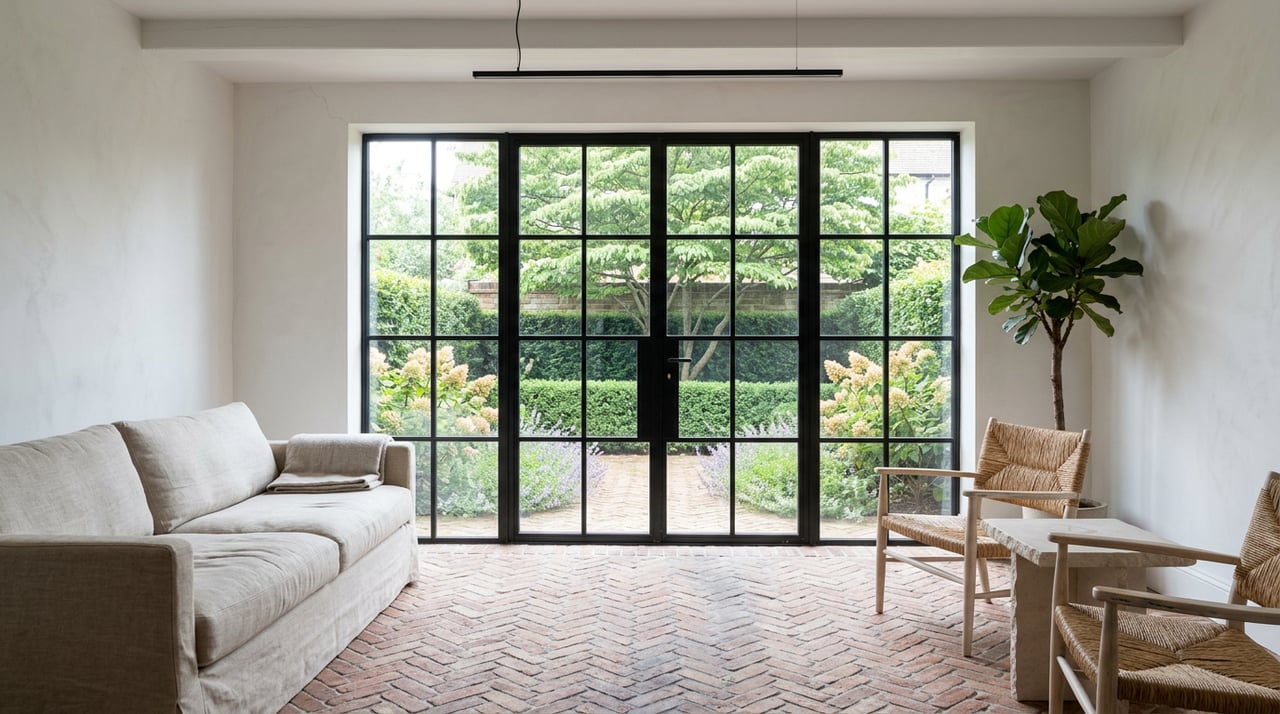
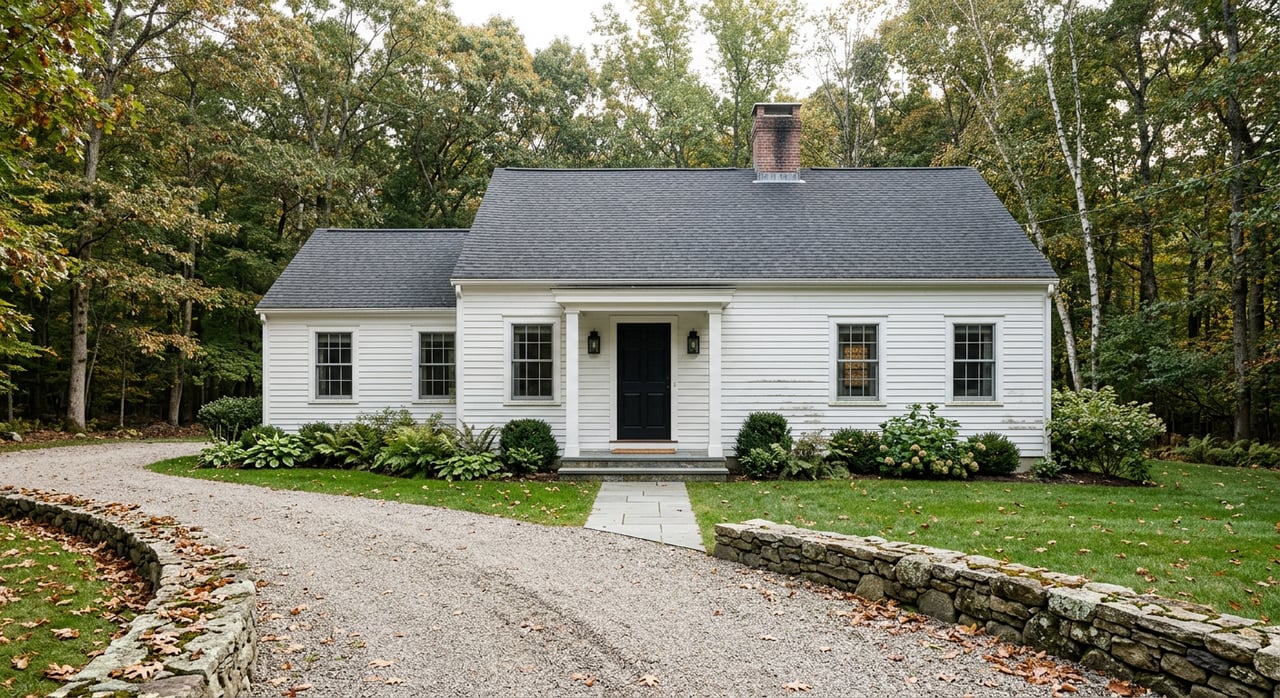
Housing in Wilton ranges from historic 18th and 19th century homes to mid-century colonials and newer custom properties. Many sit on larger, wooded lots, which is a signature of the town’s feel compared to denser coastal markets. (Town overview and land use)
Public market trackers show mid-market single-family values commonly in the roughly 1.2 to 1.3 million dollar range in 2024–2025. Prices vary widely by location, lot size, updates, and proximity to village hubs or commuter routes. Inventory fluctuates, so use current MLS data to set expectations for your specific budget.
Property taxes are calculated using the town mill rate applied to a property’s assessed value. Wilton’s municipal mill rate is currently in the mid-20s, with recent town sources noting about 24.4 mills for FY2026. The basic formula is assessed value × mill rate ÷ 1,000.
- Example: If the assessed value is 800,000 dollars and the mill rate is 24.4, the estimated annual tax would be 800,000 × 24.4 ÷ 1,000 = 19,520 dollars.
Always check the latest mill rate and confirm a property’s assessed value with the town before you buy. (Mill rate history)
Wilton vs. coastal towns nearby
Here’s how Wilton compares with places like Westport, Darien, Stamford, or Norwalk:
- Density and lot size: Wilton generally offers larger lots and more woodland. Coastal towns have denser, more continuous downtown areas and more multi-unit housing. (Town overview)
- Walkability and nightlife: Coastal downtowns offer more restaurants and shops within a short walk. Wilton’s most walkable area is around Wilton Center.
- Transit: Towns on the New Haven Line benefit from faster, more frequent express trains. Wilton’s Danbury Branch service is less frequent and often involves a transfer. (New Haven Line timetable)
- What you pay for: Coastal premiums often reflect waterfront and lively downtown access. In Wilton, the premium reflects lot size, privacy, and schools.
A quick checklist to decide
- Map your commute: Compare Danbury Branch options with a drive to South Norwalk or Stamford. Check current MTA timetables for your typical travel times. (Danbury Branch timetable)
- Test-drive errands: From your target neighborhood, time a grocery run, school pickup, and a gym or activity drive during peak hours.
- Tour the schools: Review district data, then schedule a visit or attend an info session to understand programs and extracurriculars. (Wilton Public Schools)
- Run a tax example: Use the current mill rate and the property’s assessed value to estimate annual taxes. (Mill rate history)
- Walk the trails: Visit Merwin Meadows, Schenck’s Island, and the NRVT to get a feel for weekend life. (Parks & Rec seasonal guide)
- Compare with coastal towns: Decide whether you value space and privacy more than a shorter train ride and denser downtown.
If you’re weighing Wilton against nearby options and want a clear, data-backed plan for neighborhoods, commute patterns, and budget, reach out to Tom Flynn for local guidance tailored to your goals.
FAQs
Is Wilton, CT a good fit for NYC commuters?
- Many residents make it work using the Danbury Branch or by driving to South Norwalk or Stamford for faster New Haven Line express service. Check current MTA timetables to compare options. (Danbury Branch timetable, New Haven Line timetable)
How strong are Wilton’s public schools?
- The district reports high academic performance, including strong AP outcomes and top state accountability results. Review current programs and metrics on the district site. (Wilton Public Schools)
Will I get more privacy and land in Wilton than in coastal towns?
- Generally yes: Wilton features larger lots and more woodland, which increases privacy compared to denser coastal downtowns. Tradeoffs include more driving for daily errands. (Town overview)
How are property taxes calculated in Wilton?
- Annual taxes equal assessed value × mill rate ÷ 1,000. With a mill rate in the mid-20s, an assessed value of 800,000 dollars would mean about 19,520 dollars per year. Verify current rates with the town. (Mill rate history)
What are the best outdoor activities in Wilton?
- Families enjoy Merwin Meadows, Schenck’s Island, and the Norwalk River Valley Trail, plus seasonal concerts and programs. Check the town’s current Parks & Rec guide for details. (Parks & Rec seasonal guide)