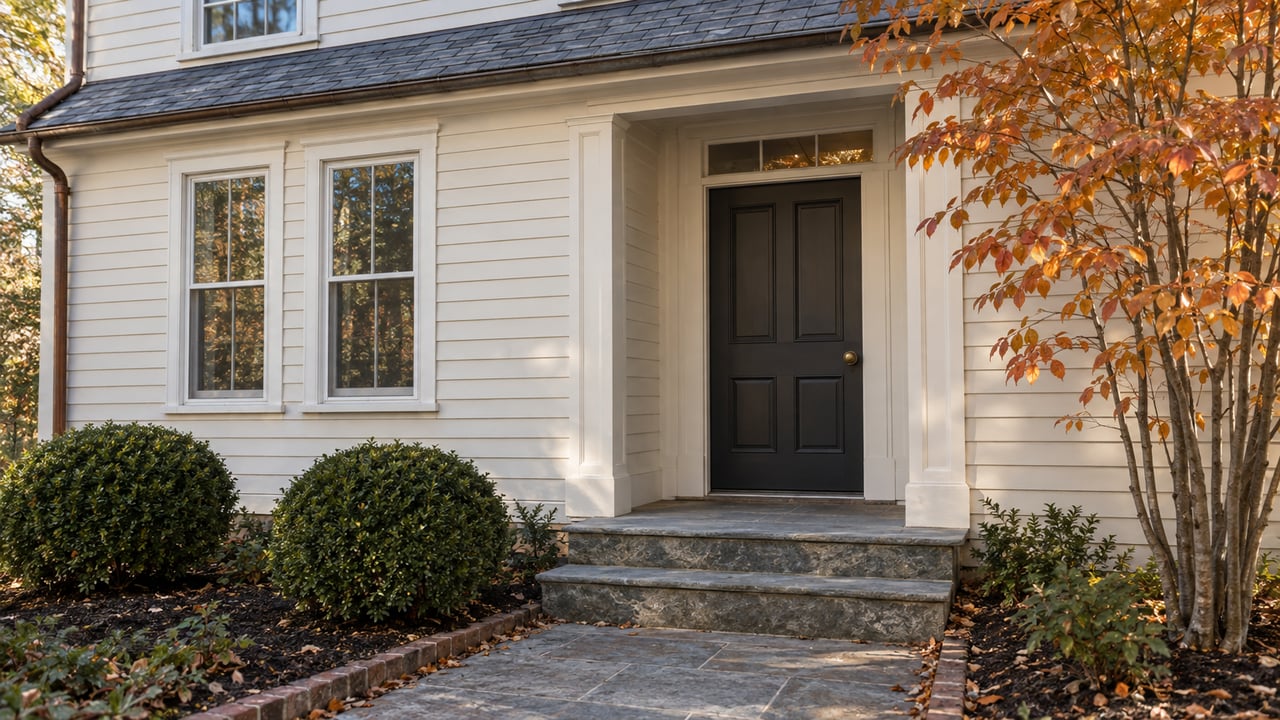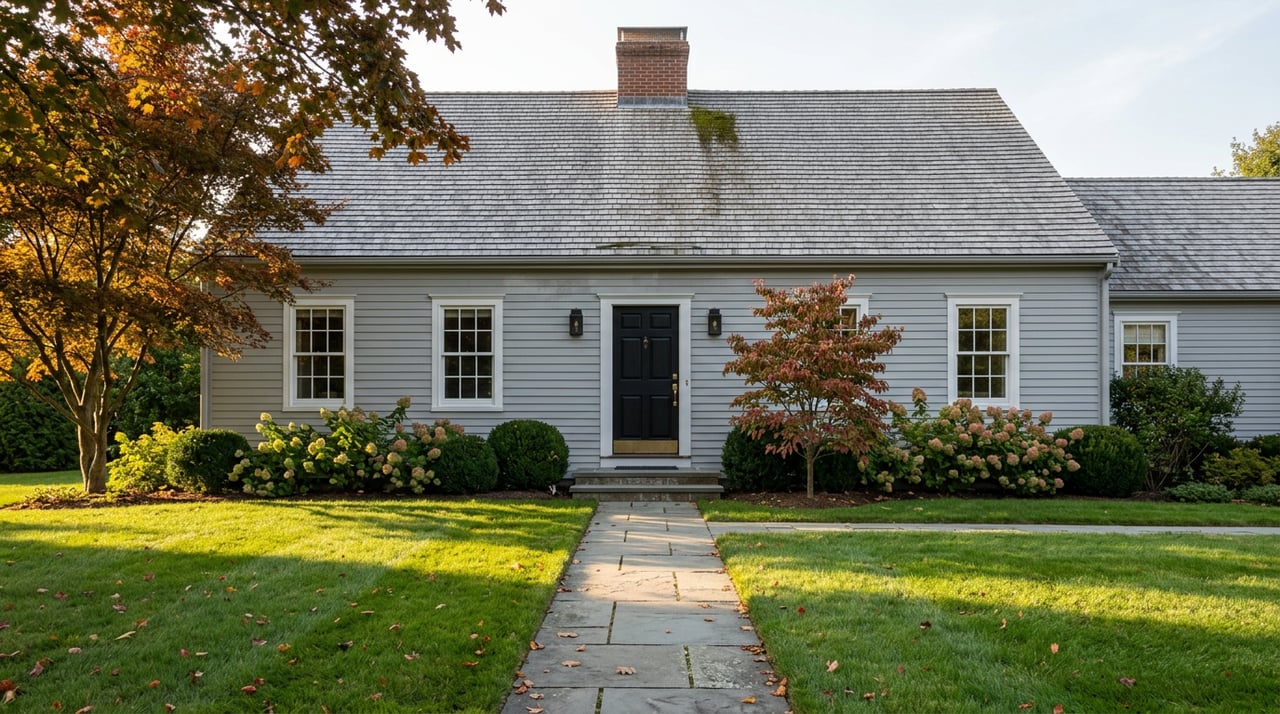
Thinking about trading your larger home for a simpler, lock-and-leave lifestyle in Westport? You are not alone. Many longtime owners want less upkeep, easier commuting, and quick access to the beach and downtown. In this guide, you will get a clear plan for a low-stress downsize, including smart timing, high-ROI prep, condo due diligence, commute and parking basics, and step-by-step checklists. Let’s dive in.
Westport fit for an easier next chapter
Walkable, water, and train access
If you want to stay close to shopping, dining, and the train, focus your search around downtown, the Saugatuck riverfront and harbor areas, Greens Farms, and the Compo Beach zone. Westport has two Metro-North stations on the New Haven Line, commonly called Saugatuck/Westport and Greens Farms. Typical door-to-door ride times to Grand Central range about 50 to 75 minutes depending on the train you choose. Plan your schedule using the MTA app and build in time for parking or walking. You can review local transit orientation on the town’s visitor site in the section on getting here and around Westport.
Market posture and taxes to watch
Westport is a high-income coastal town of about 28,000 residents, with a reported median household income around 220,754 dollars in recent local profiles. The housing market sits at the upper end for Connecticut, with low inventory and values commonly in high six to seven figures depending on property type and season. Prices and days on market vary by neighborhood and price band, so expect a premium for walkable and waterfront locations.
Also keep an eye on taxes. Westport completed a 2025 property revaluation that increased the town’s grand list and many assessed values. The Board of Finance sets the mill rate after revaluation, which can affect your property tax bill and net proceeds. Review recent coverage of the revaluation to understand timing and impacts, such as this CT Insider report on the 2025 grand list changes.
Commute and parking basics
If you will rely on the train, plan ahead for parking. Westport runs a permit program through the Police Department for the Saugatuck and Greens Farms stations. Annual permits, shared permits, and enforcement rules are set locally. Before you enroll, confirm current fees, rules, and availability on the town’s railroad permit parking page.
Time your sale and purchase
Best listing windows
If your schedule allows, early spring often produces stronger outcomes for sellers. National research from ATTOM shows May and the surrounding spring months have historically delivered the highest average seller premiums. If that timing fits your plans, prepare your home through winter, then launch in the spring buyer pool. You can read the seasonality summary in ATTOM’s report on the best time to sell a home.
Watch local signals
As you pick a target list date, track months of supply, new pendings relative to new listings, and average days on market in Westport. Falling inventory and quicker market times can favor sellers. If you see inventory building and days on market lengthening, adjust your prep scope and pricing strategy to stay competitive.
Factor in taxes and gains
If you sell a primary residence, you may qualify to exclude up to 250,000 dollars in capital gains if you file single or up to 500,000 dollars if you file jointly, subject to ownership and use tests. Review the rules and exceptions in the IRS guide, Publication 523: Selling Your Home, and talk with your tax advisor for specifics.
Prep your home with impact
High-ROI refreshes
For a faster sale and better offers, focus on the first impression. In Westport’s price bands, buyers respond to fresh paint in a neutral palette, updated lighting and hardware, refinished floors, new or cleaned carpets, and tidy landscaping. Exterior and cosmetic updates often deliver the strongest percent returns at resale. Keep the goal simple: make your home feel bright, clean, and move-in ready.
Staging that sells
Professional staging helps buyers picture how spaces live. Industry research shows staged homes tend to sell faster and can attract stronger offers. If you want a quick, low-stress sale, plan staging early so your photos and launch date benefit. For a plain-English summary of staging findings, see this overview of why staging beats an empty house.
Use Compass Concierge
Compass Concierge can simplify pre-sale prep by fronting or coordinating services like painting, flooring, targeted repairs, decluttering, landscaping, and staging. You pay nothing up front, and program costs are repaid at closing, with terms that vary by market. Your agent typically scopes the work, arranges vendors, and helps you prioritize high-ROI updates. Review the program details and discuss expected return before committing. Learn more about how it works on the Compass Concierge page.
Seller prep checklist
- Clean, declutter, and depersonalize. Edit furniture to highlight space.
- Refresh paint, lighting, and hardware. Refinish or deep-clean floors.
- Tidy landscaping and entry. Boost curb appeal.
- Consider a pre-listing home inspection to reduce surprises.
- Stage key rooms for photos and showings.
- If using Concierge, confirm scope, budget, vendors, timeline, and repayment terms in writing.
- Plan what will not fit in your next home and arrange storage, donation, or sale.
Choose the right-sized home
Common options in Westport
- Downtown condos and small buildings for maximum walkability to shops, dining, and the Saugatuck station.
- Townhouses and garden-style units for a single-family feel with lower maintenance.
- Waterfront condos or harbor-adjacent units for access to the water. Budget for potential flood insurance and higher maintenance risk.
- Age-targeted or 55-plus options are limited in Westport. If you prefer age-restricted choices, broaden your search to nearby towns or look for elevator buildings with accessible layouts.
Condo due diligence in Connecticut
When you buy a condo or townhouse, request and review the full resale certificate, association budget, reserves, and recent meeting minutes. Look for special assessments, planned capital projects, operating deficits, and rules that matter to you such as parking, pets, and rentals. Connecticut’s Common Interest Ownership Act sets disclosure timing and related fees. Have your attorney review the packet. You can read the statute in Chapter 828 of Connecticut law.
Accessibility priorities
If you aim to minimize future friction, consider single-level units or buildings with reliable elevators, in-unit laundry, and parking near the entrance. Check hallway widths and step-free access. Also think about proximity to medical services, pharmacies, and Westport’s senior center when you compare neighborhoods.
Sample timelines that work
Fast-track plan
If you need to move quickly, use an 8 to 12 week sprint. Declutter during week one, lock your prep scope in week one or two, and complete cosmetic updates plus staging by week four to six. List as soon as photos and floor plans are ready. In a strong market, you could move from listing to contract in 0 to 30 days, then close in about 30 to 45 days depending on financing.
Calm-plan approach
If you can take a calmer route, use 4 to 6 months. Spend the first 3 to 4 months decluttering, tackling targeted repairs, and completing staging or Compass Concierge projects. Aim to launch in the early spring window based on your timeline and market signals, then target a 30 to 45 day closing once under contract. Seasonality research, like ATTOM’s spring analysis of seller premiums, supports this plan for many sellers.
Combined moving checklist
- 6 to 12 months out: Decide to downsize. Set budget, explore target neighborhoods, and measure key furniture for condo fit. Start decluttering and gather contractor estimates for any pre-sale work.
- 3 to 6 months out: Complete high-ROI updates. If using Compass Concierge, finalize scope and vendor schedule. Book professional photos and floor plans. Request multiple moving quotes and reserve storage if needed.
- 8 to 12 weeks out: Confirm your next-home measurements, review condo move-in rules and required certificates of insurance, and schedule the elevator if applicable.
- 0 to 30 days out: Transfer utilities, forward mail, pack an essentials box, confirm closing funds, and line up movers. If you will commute, review the town’s railroad permit process and plan your first week’s parking.
Ready to downsize with less stress?
You deserve a move that feels organized and calm, from the first contractor bid to your first morning coffee downtown. If you want hands-on guidance, pricing strategy, staging and prep support, and a smooth condo search near the train or the water, connect with Tom Flynn. Let’s build a plan that fits your timeline and protects your bottom line.
FAQs
How long is the Westport-to-NYC commute if I live near the train?
- Typical door-to-door train time is about 50 to 75 minutes depending on express vs local schedules, plus parking or walk time.
How do railroad parking permits work in Westport?
- The Police Department manages permits for Saugatuck and Greens Farms. Check current fees, rules, and availability on the town website before you apply.
When is the best time to list my Westport home for top dollar?
- Early spring often performs well. National research shows May and nearby months have produced higher average seller premiums historically. Balance this with your personal timing and local inventory.
What should I review before buying a Connecticut condo?
- Read the resale certificate, association budget, reserves, meeting minutes, insurance summary, and rules on parking, pets, and rentals. Ask your attorney to review the packet under Connecticut’s Common Interest Ownership Act.
What is Compass Concierge and who pays for it?
- It is a program that fronts or coordinates pre-sale services like staging, paint, and repairs. You repay program costs at closing under terms that vary by market. Review the expected ROI before you enroll.
Will Westport’s 2025 revaluation affect my sale or taxes?
- Many assessed values increased, and the mill rate is set after revaluation. That can influence your property tax bill and net proceeds. Discuss timing and impacts with your agent and tax advisor.
Do I owe capital gains tax when I sell my primary home?
- Many sellers can exclude up to 250,000 dollars of gain if single or 500,000 dollars if married filing jointly, subject to ownership and use tests. Review IRS Publication 523 and consult a CPA for your situation.