Looking for a New York City commute without giving up shoreline scenery, a walkable downtown, and a more residential pace? Rye often comes up for exactly that reason. If you are weighing where to land in lower Westchester, this overview will help you understand how Rye works for daily commuting, what local life feels like, and what kind of housing you can realistically expect. Let’s dive in.
Why Rye appeals to NYC commuters
Rye sits in southern Westchester County on Long Island Sound, about 25 miles from New York City. It is a small city with a population of 16,428 and a land area of 5.9 square miles, which gives it a compact feel compared with larger suburban communities. That smaller footprint can matter if you want a place that feels established and easy to navigate.
Rye also has a strong coastal identity. Local sources describe 5.5 miles of water vistas, open space, and nature and wildlife preserves. That combination of shoreline setting and commuter access is a big part of why Rye stands out for buyers and relocators comparing Westchester options.
The city also reflects a high-value housing market. Census-based data show a median household income of $239,815 and a median owner-occupied home value of $1,819,900. In simple terms, Rye tends to attract buyers looking for a premium commuter suburb rather than a lower-cost entry point.
Rye commute to Grand Central
For many buyers, the first question is simple: how workable is the train ride? Rye station is on Metro-North’s New Haven Line, and current MTA schedules show weekday inbound trips that can reach Grand Central in about half an hour on some runs. Examples in the current timetable include a 5:27 departure arriving at 5:59 and a 5:50 departure arriving at 6:17.
That does not mean every train is exactly the same, but it does show that Rye can support a practical daily commute into Manhattan. Census-derived data also show a mean travel time to work of 39.8 minutes, which lines up with Rye’s reputation as a commuter-oriented location. If your routine depends on predictable rail access, that is a meaningful advantage.
The station itself is ADA-accessible, with elevators, ramps, tactile warning strips, and ticket machines. For households balancing different mobility needs or simply wanting a smoother daily routine, those features can make a real difference.
Parking and station convenience
Commuting is not just about the train schedule. It is also about how easily you can get to the station and where you can leave your car. The City of Rye maintains downtown parking and commuter parking options, which is an important part of the day-to-day picture for residents who drive to the station.
That parking support adds flexibility. You may be able to combine a residential setting with a rail commute, rather than feeling locked into living right on top of the station. For some buyers, that opens up more housing choices within the city.
Downtown Rye lifestyle
Downtown Rye is one of the city’s biggest quality-of-life draws. The city describes it as a vibrant central business district with diverse shopping, restaurants, and service businesses. In practical terms, that means you can often mix errands, dining, and daily routines in one compact area.
This kind of downtown setup matters for commuters because it makes weekdays easier and weekends less car-dependent. If you value being able to grab coffee, handle an appointment, or meet friends locally, Rye offers that convenience in a smaller-city setting.
City-owned parking lots and merchant parking options also support downtown access. That may sound like a small detail, but easy parking can shape how often you actually use your local business district.
Waterfront and recreation in Rye
Rye offers more than train access and housing stock. The city and community resources highlight Rye Town Park, Rye Nature Center, Rye Free Reading Room, Rye Arts Center, Rye Golf Club, the Rye Boat Basin and Marina, and Playland as part of the local mix. Together, those places help create a lifestyle that feels active and connected to the water.
The marine side of Rye is especially notable. The Rye Boat Basin operates 350 slips and 144 kayak slips and racks, along with launching, winter storage, and marine services on Western Long Island Sound. If shoreline access is part of your ideal lifestyle, that is a meaningful local asset.
Even if you are not a boater, the waterfront identity still shapes daily life. Being on Long Island Sound gives Rye a different feel from an inland suburb. For many buyers, that setting is part of the emotional draw.
Schools as part of Rye’s identity
For households considering a move with school-age children, Rye’s public school system is often part of the conversation. The Rye City School District says it includes three National Blue Ribbon elementary schools serving grades K-5, Rye Middle School, also a National Blue Ribbon School, and Rye High School with Regents, honors, and Advanced Placement offerings.
The district also describes the Academy at Rye High School as an interdisciplinary, project-based learning program. For buyers comparing towns, these details help explain why schools are such a central part of Rye’s overall identity.
Just as important, the school system is woven into how many people understand the city as a place to live long term. If you are relocating and trying to balance commute, community feel, and day-to-day family logistics, Rye often enters the shortlist for that reason.
Rye housing overview
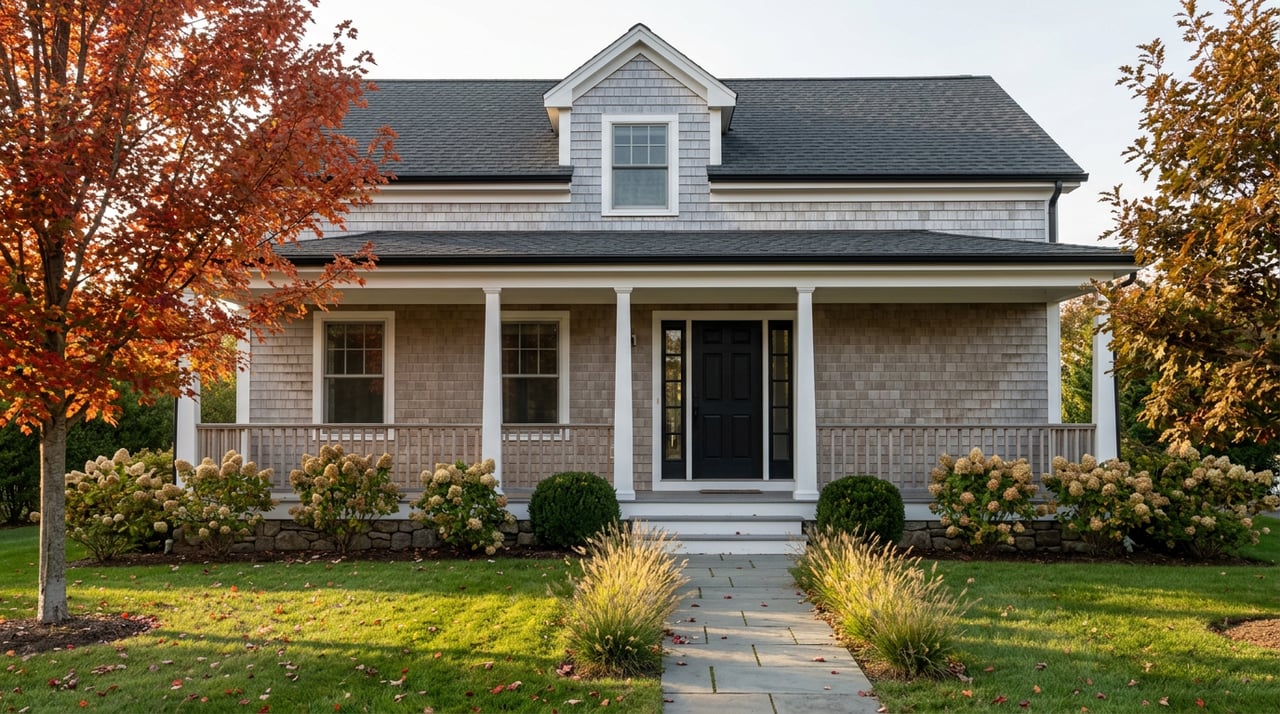
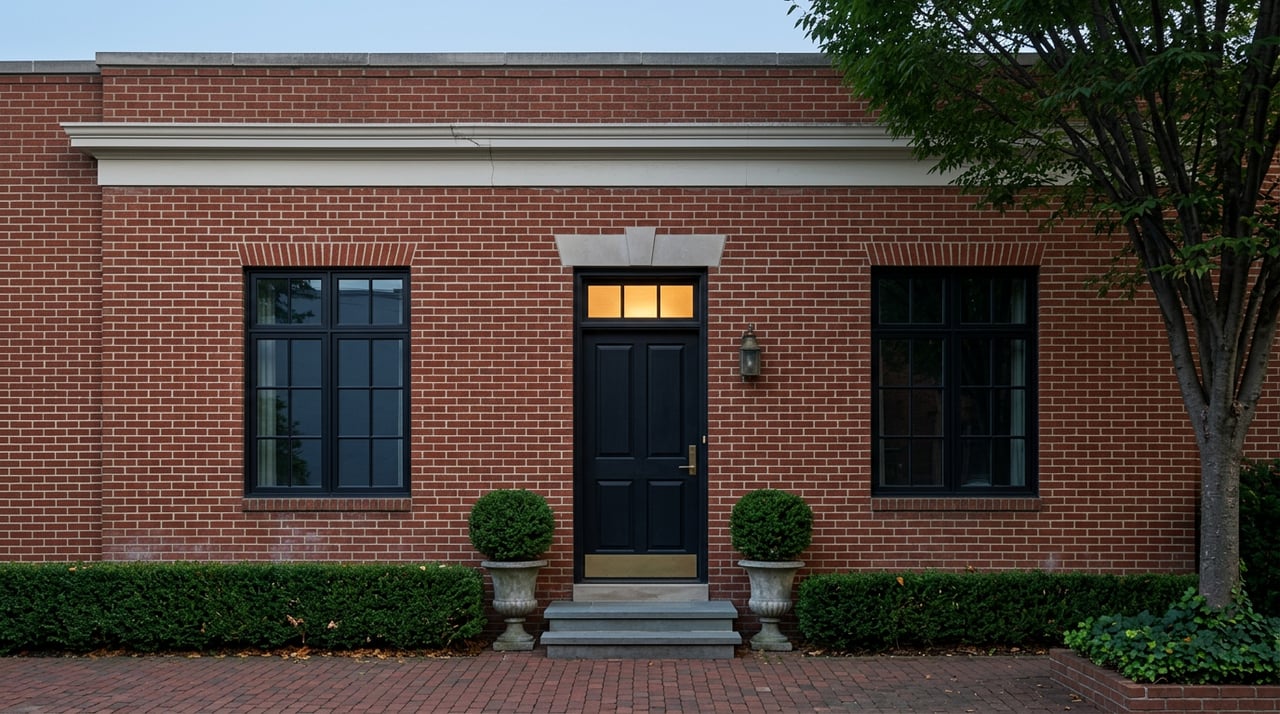
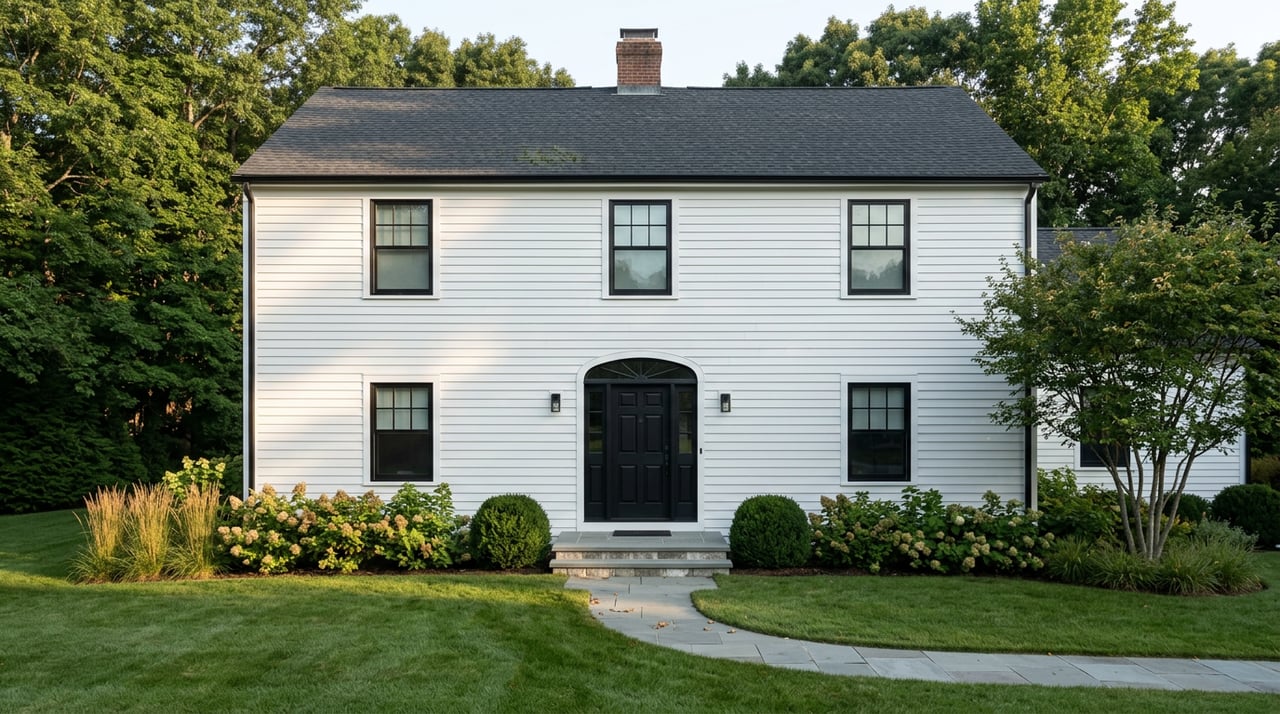
Rye’s housing stock is established rather than heavily new-build. Recent Census-derived data show 6,108 housing units in the city. About 62.5% are detached single-family homes, 5.9% are attached homes, and smaller shares fall into multifamily categories.
That mix gives Rye a housing story that spans more than one buyer profile, even though the market is clearly premium. Detached homes make up the majority of the inventory base, while attached and multifamily homes can offer alternatives for buyers who want a smaller footprint or lower-maintenance setup.
The age of the housing stock is also important. About 30% of homes were built in 1939 or earlier, while only 1.3% were built in 2020 or later. That points to a mature market with relatively limited new construction and a strong presence of older homes.
What buyers should expect on style and supply
Because Rye has an older housing base, many buyers should expect homes with more established architecture and less brand-new inventory. In practical terms, that often means the search can be as much about condition, updates, and location within Rye as it is about square footage alone.
The structure data also suggest different paths depending on your stage of life. Detached homes are the core option for buyers seeking more space, while attached or multifamily-style homes may appeal to downsizers or buyers who want easier upkeep near downtown or the station.
One thing to keep in mind is budget fit. With a median owner-occupied home value of $1,819,900, Rye is not typically positioned as an entry-level market. If you are comparing commuter towns based on affordability first, Rye may feel more like a stretch market than a starter market.
Who Rye may fit best
Rye can make sense for a few different types of movers. It may appeal to commuters who want direct train access to Manhattan without giving up a coastal setting. It may also appeal to households looking for a compact downtown, local recreation, and an established residential environment.
For downsizers, Rye may be appealing if the goal is to stay in a polished suburban market while moving into a smaller attached or multifamily home. For move-up buyers, the city’s detached housing stock and long-established neighborhood fabric may be part of the draw.
The biggest question is usually not whether Rye is attractive. It is whether Rye matches your budget, your preferred housing type, and your daily routine. That is where focused local guidance becomes especially important.
What to weigh before you move
If Rye is on your list, it helps to think beyond the headline commute time. Consider how often you will use the train, whether station parking matters to you, how important downtown access is, and what role the waterfront plays in your ideal lifestyle. Those day-to-day details often shape satisfaction more than a simple map search does.
It is also smart to be realistic about inventory. In a market with older housing and limited new construction, the right fit may come down to tradeoffs between location, condition, and home type. Knowing which compromises are acceptable to you can make your search much more efficient.
If you are comparing Rye with nearby Connecticut or Westchester markets, a cross-border perspective can be especially helpful. Commute patterns, housing styles, and price points can shift quickly from one town to the next.
If you want help comparing Rye with nearby commuter markets or understanding what your budget may realistically buy, Tom Flynn offers practical, responsive guidance for buyers, sellers, and relocators across select Westchester and adjacent Connecticut communities.
FAQs
How long is the commute from Rye, NY to Grand Central?
- Current MTA timetable examples show some weekday inbound Metro-North trips from Rye reaching Grand Central in about 30 minutes, with examples such as 5:27 to 5:59 and 5:50 to 6:17.
What is downtown Rye, NY like for daily life?
- The city describes Downtown Rye as a vibrant central business district with diverse shopping, restaurants, service businesses, and parking options that support local access.
What kinds of homes are common in Rye, NY?
- Census-derived housing data show that 62.5% of Rye’s housing units are detached single-family homes, 5.9% are attached homes, and smaller shares are in multifamily buildings.
Is Rye, NY known for newer homes or older housing stock?
- Rye has a mature housing stock, with about 30% of homes built in 1939 or earlier and only 1.3% built in 2020 or later.
Does Rye, NY offer waterfront recreation?
- Yes. Local resources highlight Rye Town Park, the Rye Boat Basin and Marina, and other shoreline and recreation amenities tied to Long Island Sound.
Is Rye, NY considered an expensive commuter market?
- Rye is generally positioned as a premium commuter suburb, with Census-derived data showing a median owner-occupied home value of $1,819,900.