If you’ve started shopping for your first home in Fairfield, you’ve probably noticed one thing fast: prices can climb quickly. That’s why many first-time buyers look at condos and townhomes as a more realistic way to get into the market without taking on the full cost and upkeep of a single-family home. If you want to understand the tradeoffs, the true monthly cost, and what to review before you make an offer, you’re in the right place. Let’s dive in.
Why condos and townhomes matter in Fairfield
Fairfield is a high-priced market by almost any measure. Recent data showed a typical home value around $985,871, a median listing price of $1,074,500, and a median condo listing price of $649,000.
That price gap is a big reason condos and townhomes often become the entry point for first-time buyers in Fairfield. You may be able to buy at a lower price point than a single-family home, but that does not always mean the monthly cost will feel low.
What a condo or townhome really means
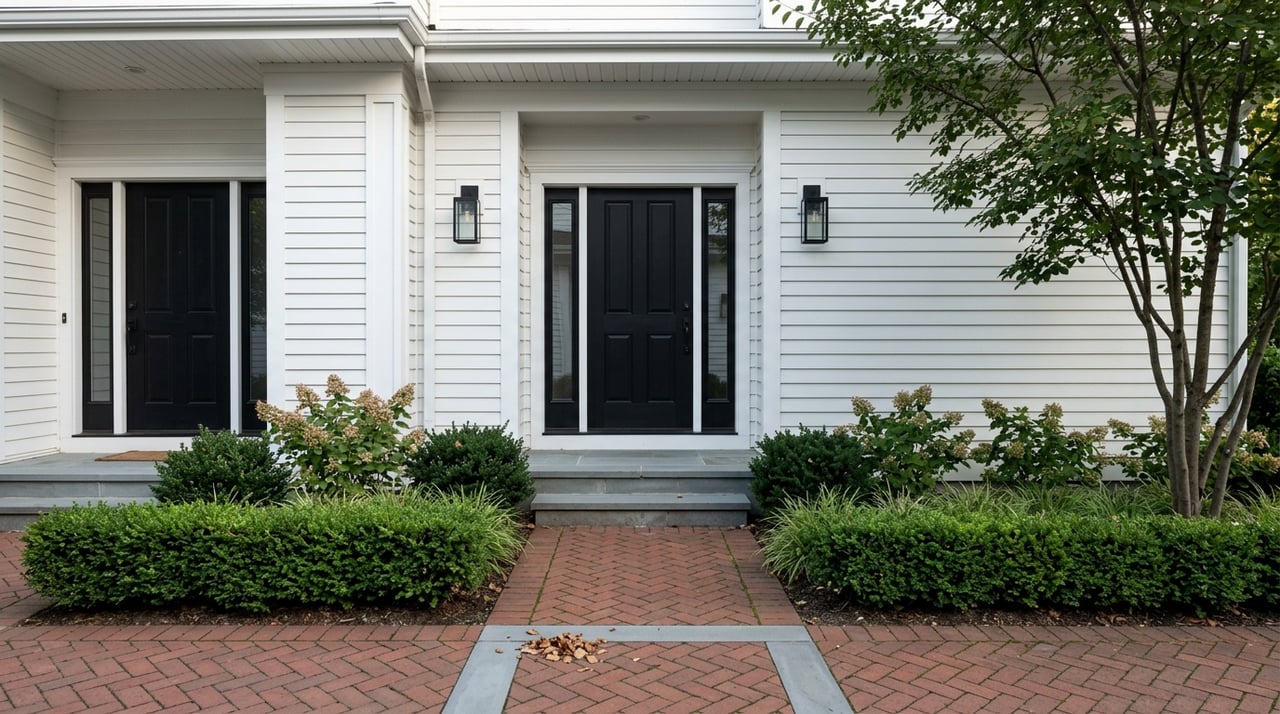
One detail surprises many buyers: a townhome-style property is not always legally a townhouse in the way people assume. In Fairfield, some homes that look like townhouses are still condominium units, so the legal structure matters more than the exterior style.
That distinction affects what you own, what the association controls, what rules apply, and what documents you need to review. In Connecticut, the declaration, bylaws, rules and regulations, and resale documents function as the core ownership contract for a condo purchase.
How condo ownership works in Connecticut
In a Connecticut condo, you usually own your individual unit and share ownership or use of common elements with other owners. Common expenses generally include the association’s operating costs, liabilities, and reserve funding for future repairs and replacements.
In simple terms, your monthly HOA fee is not just paying for landscaping. It may also help fund ongoing maintenance, insurance carried by the association, and reserves for future work.
Connecticut law also requires bylaws to address key issues like board elections, assessments, maintenance of common elements, use restrictions, and reserve funding. If common charges go unpaid, those assessments can become a lien on the unit, which shows why the financial side of condo ownership matters so much.
Why Fairfield HOA fees need a closer look
One of the biggest mistakes first-time buyers make is comparing only the sale price. In Fairfield, current listing examples show HOA fees ranging from about $250 per month to well over $1,100 per month.
That is a huge spread, and it usually reflects differences in services, building type, insurance needs, and reserve planning. One community may include heat and hot water, while another may include pool service, road maintenance, gardening, or even flood insurance.
Some listings also come with extra one-time charges, such as move-in fees or security deposits required by the association. That means your real monthly and up-front costs may be higher than they first appear.
What to compare beyond the HOA number
When you look at condos or townhomes in Fairfield, focus on what the fee covers, not just the fee itself. A higher monthly charge may be easier to understand if it includes major services that would otherwise come out of your own pocket.
Here are a few items worth comparing from one community to the next:
- Heat
- Hot water
- Snow removal
- Trash service
- Grounds maintenance
- Pool or amenity upkeep
- Road maintenance
- Master insurance coverage
- Flood insurance, if applicable
- Move-in or transfer fees
This is where careful review can protect your budget. Two homes with similar asking prices can have very different monthly carrying costs.
Condo or townhome vs. starter house
For many first-time buyers, the real question is not whether a condo is perfect. It is whether a condo or townhome is the best fit compared with a starter single-family house in Fairfield.
A condo or townhome often offers a lower purchase price and less exterior maintenance. In exchange, you usually take on monthly HOA fees, association rules, and the possibility of special assessments.
A starter single-family home may give you more control over the property, but in Fairfield it often comes with a much higher entry price. For buyers trying to balance location, budget, and monthly comfort, condos and townhomes can be a practical first step.
Documents to review before an offer
In Connecticut, the seller must furnish key condo documents, including the declaration, association bylaws, rules and regulations, and resale documents. After the developer’s initial sale, the seller is responsible for compiling the resale disclosure package.
The association must provide resale documents within 10 business days of a request. Town clerk records can help confirm recorded documents, but they will not give you current financial details, so the resale package is where much of the most useful information lives.
What the resale package should tell you
A strong document review can help you spot risks before you are committed. The resale package should disclose important details that can affect both your monthly budget and your ability to live the way you want in the community.
Look for information about:
- Monthly common charges
- Unpaid common charges
- Reserve amounts
- Planned capital spending over $1,000
- Delinquent owners
- Foreclosure actions
- Resale restrictions
- Leasing or occupancy rights
- Pet rules
- Parking and storage rules
- Move-in procedures
If a building has weak reserves, rising costs, or planned work on the horizon, that can affect your future expenses. If rules on rentals, pets, or parking are strict, that can affect how well the property fits your lifestyle.
Questions first-time buyers should ask
The best condo questions are usually very practical. You want to know what you are paying for, what may change, and whether the property will work for both your financing and daily life.
Ask these questions early:
- What exactly does the HOA fee cover?
- How strong are the reserves?
- Is there a reserve study?
- Are any major capital projects coming?
- Are special assessments likely?
- Are there restrictions on rentals, pets, parking, storage, or move-ins?
- Has the association had any insurance changes?
- Are there litigation issues involving the association?
- Will my loan type work for this project?
These questions can save you time and money. They can also help you avoid falling in love with a home that may be difficult to finance or more expensive to own than it first appears.
Why financing can be different for condos
With a condo, your loan approval may depend on more than your income, savings, and credit. The project itself may also need to meet lender requirements.
That matters for first-time buyers using FHA financing or a conventional loan with condo project review standards. Owner-occupancy levels, financial condition, legal status, physical condition, litigation, critical repairs, and reserve strength can all affect eligibility.
In plain English, you can be a qualified buyer and still run into issues if the building does not meet lending standards. That is one reason condo buying requires a little more homework upfront.
Connecticut’s condo contract cancellation window
Connecticut gives many condo buyers a 15-day right to cancel after signing the contract. That can provide important breathing room while you review documents and ask follow-up questions.
There is an exception, though. That cancellation right does not apply to a fully built common-interest community with 12 or fewer units that is not required to supply resale documents.
Because that rule can affect your timeline and negotiating strategy, it is smart to understand early which type of community you are considering. Small complexes can operate differently from larger ones.
A smart first-home strategy in Fairfield
If you are buying your first condo or townhome in Fairfield, the goal is not just to find the lowest list price. The goal is to find a home that fits your budget now, remains manageable over time, and does not surprise you after closing.
That means comparing more than finishes and square footage. You want to look at the asking price, monthly common charges, reserve health, rules, one-time fees, and financing fit as one full picture.
With Fairfield’s price gap between condos and the broader housing market, this property type can be a practical path into homeownership. But the best outcomes usually come from asking better questions before you commit.
If you want a clear, local perspective as you compare condo and townhome options in Fairfield, Tom Flynn can help you weigh price, monthly costs, building details, and offer strategy with a practical, responsive approach.
FAQs
What is the average condo price in Fairfield, CT for first-time buyers?
- Recent local data showed a median Fairfield condo listing price of $649,000, which is lower than Fairfield’s broader median listing price of $1,074,500.
What do HOA fees usually cover in Fairfield condos and townhomes?
- HOA fees can cover different items depending on the community, including snow removal, trash, grounds maintenance, heat, hot water, pool service, road maintenance, master insurance, and sometimes flood insurance.
What condo documents should Fairfield buyers review before closing?
- Connecticut buyers should review the declaration, bylaws, rules and regulations, and resale documents because those materials explain fees, restrictions, reserves, planned spending, and other important ownership details.
Can HOA fees in Fairfield vary a lot from one property to another?
- Yes. Recent Fairfield examples ranged from about $250 per month to $1,189 per month, which is why you should compare both the amount and the services included.
Can financing a Fairfield condo be harder than financing a house?
- It can be. Some condo loans depend on both your borrower qualifications and the project’s financial condition, owner-occupancy, reserve strength, legal status, and physical condition.
Do Connecticut condo buyers have a right to cancel after signing?
- Many do. Connecticut gives many condo buyers a 15-day right to cancel after signing, although that right does not apply in every smaller fully built common-interest community.