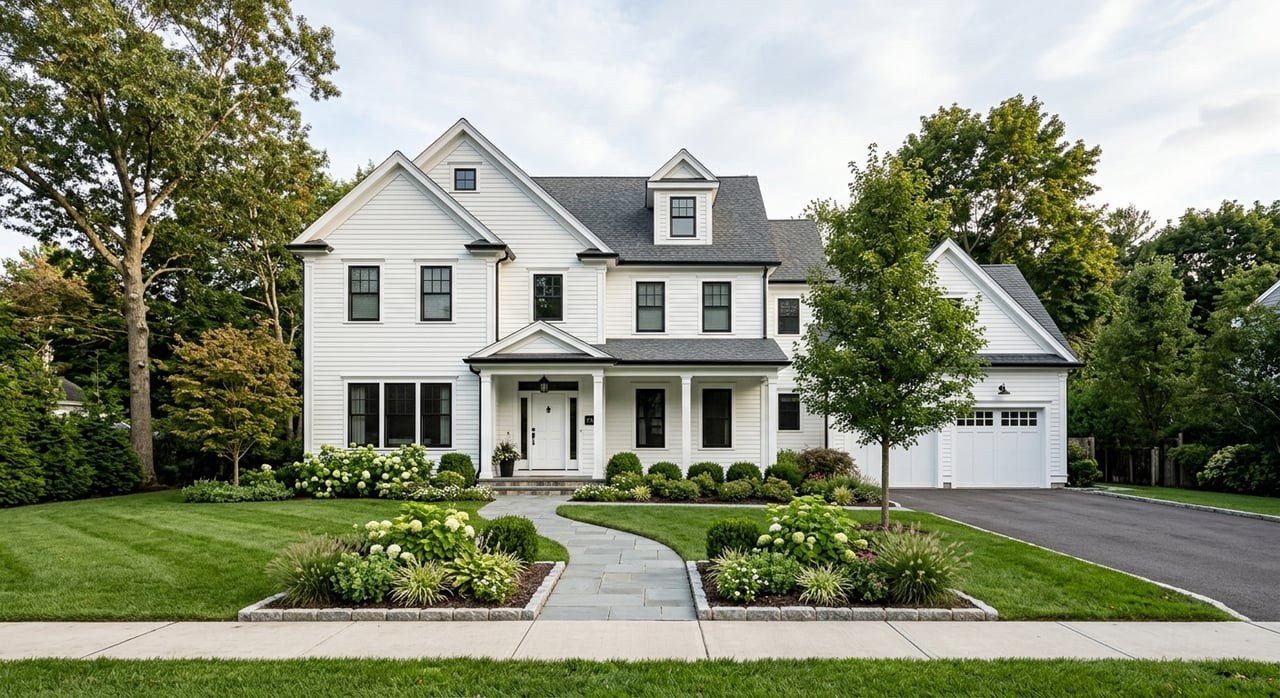
If your current home no longer fits the way you live, you are not alone. Moving up to a larger home in Wilton can be exciting, but it also comes with bigger numbers, faster timelines, and more moving parts than many owners expect. The good news is that with the right plan, you can make smart decisions about equity, budget, timing, and must-have features before the pressure sets in. Let’s dive in.
Why moving up in Wilton takes planning
Wilton is a fast-moving, high-price market. Realtor.com’s May 2026 snapshot shows 81 homes for sale, a median listing price of $1.5 million, a median sold price of $1.195 million, median days on market of 16, and a 106% sale-to-list ratio. Zillow’s May 31, 2026 data also points to tight supply, with 52 homes for sale and a median list price of $1.316 million.
What that means for you is simple. If you are selling a smaller home and buying a larger one in Wilton, the replacement home will often cost much more than the one you are leaving. In a market like this, planning your move-up strategy early can help you avoid rushed choices.
Start with your net, not your wish list
One of the biggest mistakes move-up buyers make is focusing first on the price of the next home. A better starting point is your likely net proceeds from the sale of your current property. That gives you a clearer picture of how much cash you can bring to the next purchase.
In Connecticut, conveyance tax is part of that math. Current state law imposes a 0.75% conveyance tax on the first $800,000 of a residential sale, 1.25% on the portion from $800,000 to $2.5 million, and 2.25% above $2.5 million. There is also a municipal portion of 0.25%, and the seller or an authorized agent must file Connecticut Form OP-236 when the deed is recorded.
As a simple example, a $1.2 million residential sale would owe about $14,000 in conveyance tax before other closing costs. That is why your move-up plan should begin with a net sheet, not just an estimate of your sale price. Once you account for taxes and selling costs, you can set a more realistic target for your next purchase.
Build your next-home budget carefully
Your budget for a larger home should reflect more than the purchase price. Mortgage rates, property taxes, insurance, and any overlap between homes can all affect your monthly comfort level. In a high-cost market, affordability is often about cash flow as much as equity.
Freddie Mac’s weekly survey put the 30-year fixed mortgage rate at 6.43% on July 2, 2026. Even if you bring substantial equity to your next purchase, that rate still matters because a larger loan amount can change your monthly payment quickly. For many move-up buyers, the payment on the next home becomes the key decision point.
Property taxes also deserve close attention. Wilton’s FY26 budget materials show a required mill rate of 24.4054, and the town’s example notes that a home with $1,000,000 of assessed value would owe $24,405.40 in annual property taxes. If you are comparing homes at different price points or in different parts of town, taxes should be part of every side-by-side comparison.
Decide whether to sell first or buy first
In a market this competitive, timing is not a small detail. Realtor.com reports median days on market of 16, and Zillow reports a median of 10 days to pending. That pace means you should think through your timing strategy before you start touring larger homes.
Selling first
Selling first gives you the clearest budget picture. You know your net proceeds, reduce the risk of carrying two homes at once, and can shop with more confidence once your sale is complete.
The tradeoff is that you may need temporary housing if you do not find the right replacement home right away. For some families, that extra step is worth it because it removes pressure from the purchase decision.
Buying first
Buying first can work if you have enough equity and liquid reserves to manage a short period of overlap. This approach may help if you find the right larger home quickly and do not want to miss it in a low-inventory market.
Still, the budget has to be strong enough to support two homes for a period of time. In Wilton, where prices are high and larger homes often come with meaningfully higher taxes and carrying costs, this option needs careful review.
Using temporary housing
Temporary housing is often the middle path that gives you flexibility. It can reduce the pressure to accept the wrong next home just because your sale is already under contract or closed.
That breathing room matters in a market where good homes can move fast. If your larger home purchase is likely to take longer than your sale, a short bridge period can protect your long-term decision-making.
Trying concurrent closings
Concurrent closings are possible, but they require tight coordination. Your lender, agent, and attorney all need to line up timing with very little room for error.
When it works, this approach can limit disruption and reduce overlap costs. But in a fast-moving market, it is important to have backup plans in case one side of the transaction shifts.
Focus on the problem your next home solves
A larger home should do more than add square footage. The best move-up purchase solves the reason you are moving in the first place. That sounds obvious, but it is easy to get distracted by size alone.
For many Wilton homeowners, the trigger is a change in daily life. You may need more bedrooms, a separate office, better kitchen and family-room flow, a mudroom, more storage, a finished lower level, guest space, or more outdoor area.
Separate must-haves from nice-to-haves
Before you tour homes, make two lists. One list should cover features you truly need for the next stage of life, and the other should cover upgrades that would be nice but not essential.
Your must-haves may depend on whether your household is growing, whether you work from home more often, whether you need space for extended family, or whether you want flexibility for future resale. When your priorities are clear, it becomes easier to act quickly without losing focus.
Look beyond total square footage
In Wilton, pricing can vary meaningfully within town. Realtor.com’s neighborhood snapshot shows examples such as Springhill with a median listing price of $422,500 and Silvermine at $1,312,500. That gap is a reminder that lot size, condition, and exact location can matter as much as square footage.
For you, that means a better fit may come from layout and usability rather than a headline number. A well-designed home with the right rooms and flow can outperform a larger home that still does not solve your daily needs.
Prepare early if you plan to sell and buy
A move-up transaction works best when both sides of the process are planned together. That means thinking about sale prep, pricing, financing, and purchase timing as one strategy, not separate tasks.
If your current home needs preparation before it hits the market, doing that work early can help you take advantage of strong demand. Tom Flynn’s approach is practical and hands-on, with Compass-backed resources including Compass Concierge for home prep and staging support where appropriate.
That kind of planning can be especially useful when timing matters. In a fast market, the owners who are ready early often have more options and less stress.
A simple move-up plan for Wilton homeowners
If you want to simplify the process, start with these steps:
- Estimate your likely sale price using current Wilton market conditions.
- Build a net sheet that accounts for Connecticut conveyance tax and other selling costs.
- Review what monthly payment feels comfortable at current mortgage rates.
- Factor in Wilton property taxes as you compare homes.
- Decide whether selling first, buying first, temporary housing, or concurrent closings makes the most sense.
- Define your must-have features before you begin serious home tours.
- Prepare your current home early so you can move when the timing is right.
Each step reduces uncertainty. Together, they give you a clearer path from your current home to the larger one that actually fits your next chapter.
Moving up in Wilton is rarely just about buying more space. It is about understanding your equity, protecting your monthly budget, and timing the sale and purchase in a market that does not wait. If you want a practical plan for prep, pricing, timing, and negotiation, Tom Flynn can help you map out the next move with clear, responsive guidance.
FAQs
How competitive is the Wilton market for move-up buyers?
- Wilton is a fast-moving market with tight supply. May 2026 data showed 16 median days on market on Realtor.com, a 106% sale-to-list ratio, and Zillow reported a median of 10 days to pending.
How should Wilton homeowners estimate net proceeds before moving up?
- Start with a net sheet instead of focusing only on list price. Include expected sale price, mortgage payoff, Connecticut conveyance tax, the municipal portion of conveyance tax, and other closing costs.
What is the Connecticut conveyance tax on a Wilton home sale?
- Current state law applies 0.75% on the first $800,000 of a residential sale, 1.25% on the portion from $800,000 to $2.5 million, and 2.25% above $2.5 million, plus a municipal portion of 0.25%.
What property tax should buyers consider for a larger home in Wilton?
- Wilton’s FY26 budget materials show a mill rate of 24.4054. The town’s example says a home with $1,000,000 of assessed value would owe $24,405.40 in annual property taxes.
Should you sell first or buy first when moving to a larger home in Wilton?
- It depends on your equity, liquid reserves, and tolerance for overlap risk. Selling first gives you a clearer budget, while buying first may work better if you have enough financial flexibility to carry two homes briefly.
What features matter most in a Wilton move-up home?
- Common priorities include extra bedrooms, separate office space, better kitchen and family-room flow, mudroom or laundry space, storage, a finished lower level, guest space, and outdoor area.
Why does local guidance matter when moving up in Wilton?
- In a high-price, low-inventory market, timing, preparation, and negotiation all matter. A local advisor can help coordinate sale prep, pricing, financing timing, and your purchase strategy so each decision supports the full plan.