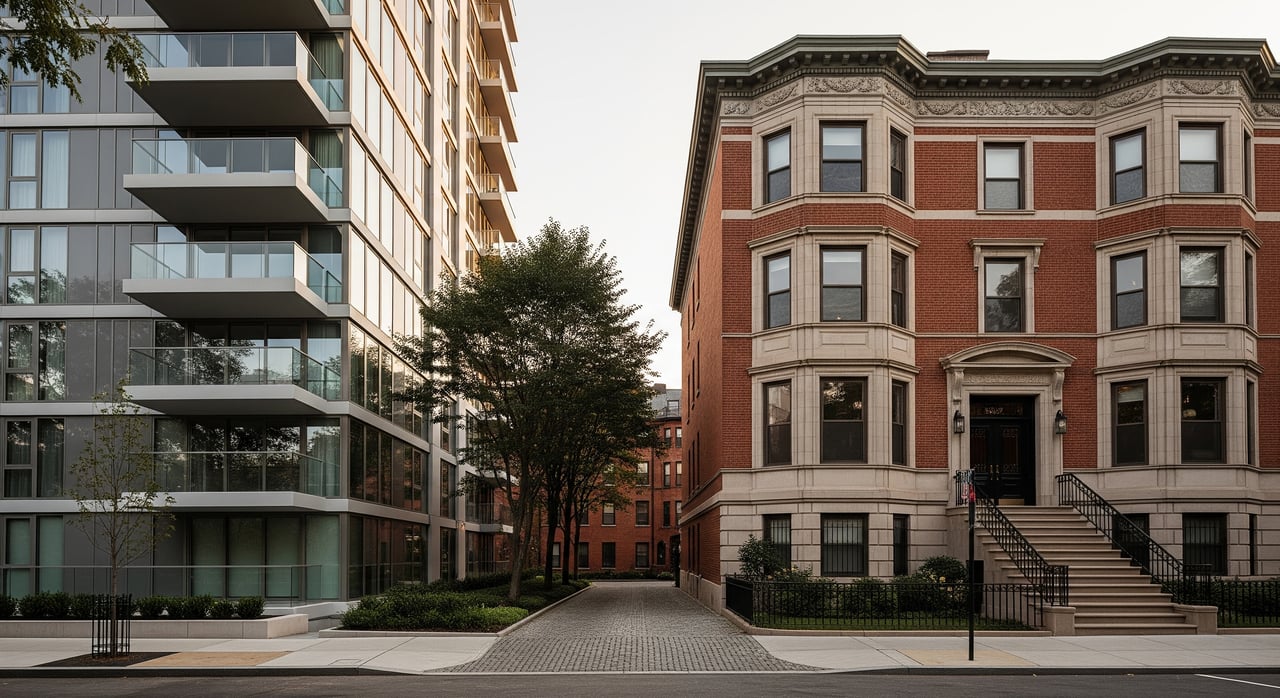
Choosing between a condo and a co-op in White Plains can feel like two different languages. You want the right fit for your budget, lifestyle, and timeline, without surprises at closing. In this guide, you’ll learn how ownership, financing, board approvals, monthly costs, and timing actually work in Westchester so you can make a confident choice. Let’s dive in.
What you actually own
Buying a condo means you receive a deed to your unit plus a share of the building’s common areas. You are a real property owner. You pay your own property taxes and monthly common charges to the association.
Buying a co-op means you purchase shares in a corporation that owns the building. In return, you receive a proprietary lease to live in a specific apartment. You do not get a deed. You pay monthly maintenance that usually includes the building’s real estate taxes and many operating costs.
These legal differences ripple through financing, approvals, resale flexibility, tax reporting, and your exposure to building finances. If you want a deeper overview of the legal structure, the New York State Attorney General offers helpful consumer guides to condominiums and cooperatives. You can start with the Attorney General’s consumer resources on the New York State Attorney General website.
Financing in Westchester: what to expect
Down payments and loan types
- Condos are financed with a standard mortgage on real property. You will find broader options with conventional loans and, where projects are approved, FHA or VA products. Project approvals follow agency rules from groups like Fannie Mae and Freddie Mac.
- Co-ops use a share loan secured by your shares and proprietary lease. Expect fewer government-backed options and more portfolio lending. Boards and lenders often ask for higher down payments, commonly 15 to 25 percent for primary residences, and more for investors.
Income, reserves, and debt ratios
- Co-ops often add their own standards on top of lender rules. Boards may require strong debt-to-income ratios and liquid reserves equal to several months of maintenance. They can also review employment and credit more closely.
- Condos focus more on your lender’s underwriting. The condo association typically confirms building details for the lender but rarely tests buyer liquidity the way co-ops do.
Building financials matter
Lenders review the building’s health for both property types. High delinquencies, big pending projects, an underlying co-op mortgage, or litigation can affect loan approval, pricing, and timing.
Approvals and the board process
What approvals look like
- Condos: You usually do not need board approval to purchase. The association may have an administrative application for records or amenities. Denials are rare.
- Co-ops: Board approval is standard. The board reviews your full package, conducts an interview, and can deny a purchase within legal boundaries.
Co-op board package essentials
A strong package is organized, complete, and professional. Typical items include:
- Signed contract of sale
- Financials: recent tax returns, W-2s or 1099s, pay stubs, bank and investment statements
- Personal letter and concise background summary
- Employer and personal references
- Any co-op forms and questionnaires
- Pet policy acknowledgment if relevant
Plan for 2 to 6 weeks for board review. Interviews can add time, and boards may request more documents.
Timelines to close
- Condos: About 30 to 60 days with financing, faster for cash. Time can hinge on appraisal, lender underwriting, and a status or estoppel certificate from the association.
- Co-ops: Often 45 to 90 days or more due to package preparation, board schedules, and the interview process.
Monthly costs and taxes in White Plains
Co-op maintenance
Your single monthly maintenance typically covers building operations, staff, management, insurance, building real estate taxes, and sometimes some utilities. If the building has an underlying mortgage, that debt service is also part of maintenance.
Condo charges and taxes
As a condo owner, you pay monthly common charges for operations and reserves, plus a separate property tax bill for your unit. Your total monthly outlay is mortgage plus common charges plus property taxes.
Special assessments and reserves
Both condos and co-ops can levy special assessments for capital projects or unexpected repairs. Review reserve studies, recent capital projects, and meeting minutes to understand risk. For local tax context, Westchester’s property taxes are a meaningful budget factor. Explore county resources on the Westchester County property tax page to understand how taxes are assessed.
Lifestyle and flexibility
- Condos generally offer more flexibility to rent and resell, with fewer owner-level restrictions. Association rules still govern renovations and leasing terms.
- Co-ops often limit subletting and have investor caps. Resales require board approval, which adds time and uncertainty.
Think about your near-term plans. If you expect to rent the unit later or want a faster resale process, a condo can be more accommodating. If you value a stable, highly screened building culture, a co-op may appeal to you.
Which fits your goals? Quick comparison
- Ownership: Condo is deeded real property. Co-op is shares plus a proprietary lease.
- Buyer approval: Condo purchases rarely require board approval. Co-ops require full board approval and an interview.
- Financing: Condos typically offer more loan options and lower minimum down payments. Co-ops commonly require higher down payments and stricter buyer standards.
- Monthly payments: Condo owners pay common charges and separate taxes. Co-op shareholders pay one maintenance fee that usually includes building taxes.
- Flexibility: Condos are generally easier to rent and sell. Co-ops often restrict sublets and investor ownership.
- Timing: Condo closings are often faster. Co-op closings usually take longer due to the board process.
- Risk: Condos face HOA assessments and tax changes. Co-ops face board governance risk, underlying building mortgages, and maintenance increases if finances tighten.
For more on how lenders view condo projects and approvals, review guidance from Fannie Mae and Freddie Mac. FHA and VA loan availability for co-ops is limited; condos have clearer paths when projects are approved. You can learn more about government-insured condo financing on HUD’s website.
How to build a winning co-op package
Use this checklist to streamline your approval and reduce the chance of delays:
- Start early. Gather tax returns, pay stubs, bank and investment statements, and the purchase contract as soon as you sign.
- Follow the building’s checklist exactly. Incomplete or out-of-order packages slow reviews.
- Organize clearly. Use labeled sections and a short index. For digital files, name documents consistently.
- Write a concise personal letter. Explain why you chose the building and your plans for the home.
- Demonstrate reserves. Show liquid assets that meet or exceed any stated minimums.
- Address concerns upfront. If self-employed, include profit and loss statements and 1099s. If you had a past credit event, provide a clear explanation and supporting documents.
- Communicate promptly. Respond quickly to board or managing agent requests through your attorney or agent.
- Prepare for the interview. Practice clear answers about your job, timeline, renovation plans, and long-term intent.
- Work with experienced local pros. A seasoned attorney and agent familiar with Westchester co-ops can prevent missteps.
- Consider assurances if advised. In rare cases, additional reserves or a guarantor may help, if consistent with building rules.
Local context: White Plains and Westchester
White Plains is a sought-after commuter hub with strong access to NYC, which supports steady demand for both condos and co-ops. You will find newer condo developments with amenities, as well as established garden-style and mid-rise co-op communities.
- Newer condos often carry modern amenities and may command higher purchase prices. Budget for common charges and separate taxes.
- Older co-ops can offer value on price per square foot, with a more comprehensive maintenance that includes taxes. Review underlying mortgages and reserve plans carefully.
- Across Westchester, property taxes are a key part of your monthly budget. Your decision may come down to how you prefer to pay and manage taxes: in a single co-op maintenance line item or separately as a condo owner.
If you want a plain-English walkthrough of these structures, the New York State Attorney General provides helpful background on how condos and co-ops are set up and governed.
Ready to compare real listings and monthly numbers side by side? Let’s look closely at purchase price, down payment, approvals, and the true monthly outlay so you can pick the right fit for your timeline and goals. When you are ready, connect with Tom Flynn for local, consultative guidance across White Plains and Westchester.
FAQs
How do condo and co-op down payments differ in Westchester?
- Co-ops often require 15 to 25 percent down or more, while condos may allow lower minimums with conventional loans and, if approved, some FHA or VA options.
Are FHA or VA loans available for condos and co-ops in White Plains?
- FHA and VA loans are generally uncommon for co-ops, while approved condo projects can qualify for these products under agency rules.
How long does a co-op closing take in Westchester?
- Many co-op closings take 45 to 90 days or longer due to the board package, review, and interview, while condos often close in 30 to 60 days with financing.
What does co-op maintenance usually include in Westchester?
- Maintenance typically includes the building’s real estate taxes, insurance, staff and management, common utilities, and sometimes debt service on an underlying mortgage.
Are condos better for investors in Westchester?
- Condos are usually more flexible for renting and reselling, while co-ops often limit subletting and require board approval for resales.