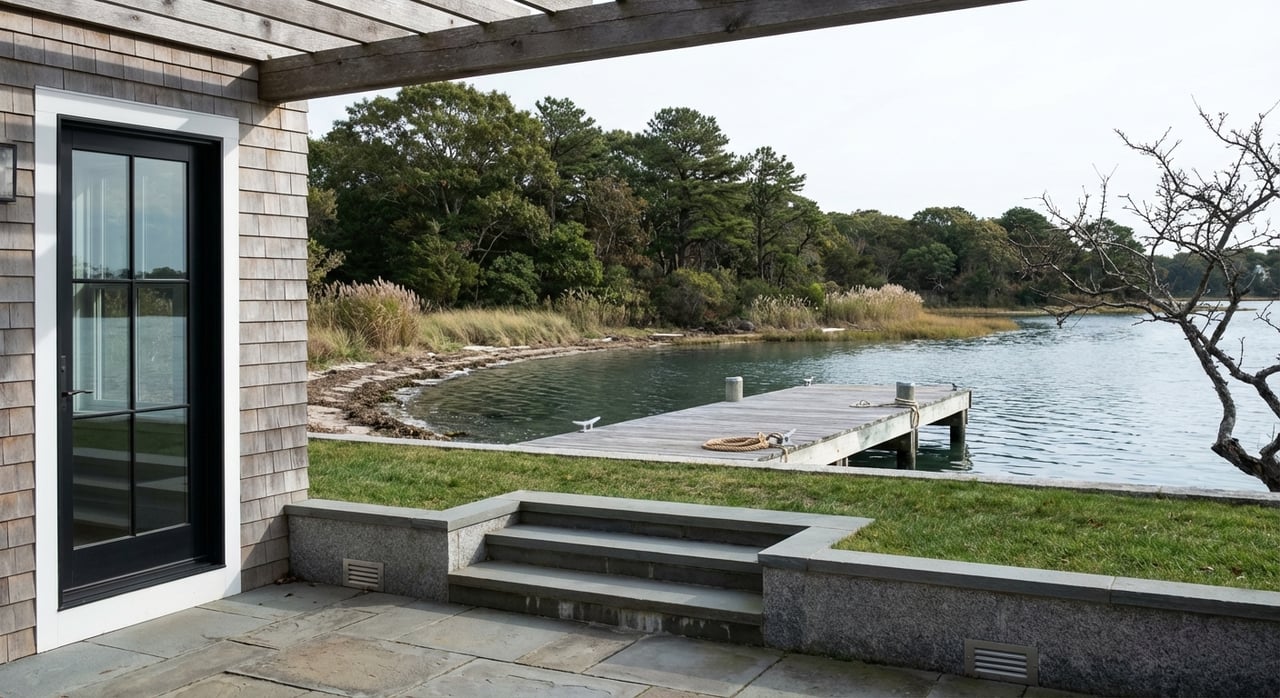
Salt air in the morning, walkable beaches, and boats sliding past at sunset — that is everyday life when you live near the water in Norwalk. If you are drawn to Long Island Sound but still want commuter convenience and year-round amenities, this shoreline city delivers a balanced coastal lifestyle. In this guide, you will see how waterfront neighborhoods feel, what homes cost, where locals boat and dine, and the floodplain rules and insurance factors that come with living close to the Sound. Let’s dive in.
Norwalk’s waterfront at a glance
Norwalk sits where the Norwalk River meets Long Island Sound. You get broad public access at Calf Pasture Beach and Shady Beach, a pair of connected parks with seasonal events and resident parking rules posted by the city. If you want a quick beach day or a summer concert, it is a simple choice to head here. You can confirm hours, passes, and current guidelines on the city’s page for Calf Pasture and Shady Beach.
The harbor’s core activity stretches along South Norwalk, with visitor docks and easy on-the-water access for day trips. If friends are coming by boat, point them to the Veterans Park Boating Center and visitor docks. Families often pair a SoNo outing with an aquarium visit, dinner on Washington Street, and a sunset walk by the river.
Seasonal traditions round out the vibe. The Norwalk Boat Show and open-air markets add extra energy to warm-weather weekends. You can watch Visit Norwalk for event updates, like the SoNo Saturday Market and the city’s boat show listings.
Waterfront neighborhoods to know
Rowayton
Rowayton sits on a scenic peninsula with a small-village feel, shoreline clubs, and easy access to the Norwalk Islands. Housing includes classic shingle-style homes and updated colonials, along with newer luxury builds. Prices reflect direct water access and views. For context, Realtor.com reported a Rowayton median listing price near 3,195,000 dollars for an Oct 2025 period. Provider snapshots vary, but the takeaway is clear: Rowayton carries a premium compared with citywide figures.
South Norwalk (SoNo)
If you want a walkable, urban-coastal mix, SoNo’s riverfront condos and loft-style homes put you close to restaurants, visitor docks, and nightlife. You can come by train, stroll to dinner, and hop on a boat ride or water taxi when in season. For guests arriving by water, reference the city’s visitor docks and boating center for current tie-up rules.
East Norwalk and Calf Pasture
East Norwalk centers around beach parks and Norwalk Cove Marina, a full-service facility beside Calf Pasture. Many homes are a short bike ride to the sand. Boaters value the convenience of on-site services and seasonal events at the marina. Explore services and seasonal dockage details through Norwalk Cove Marina.
Shorefront Park and Marvin Beach
Closer to the harbor mouth, these smaller shoreline enclaves offer a mix of year-round single-family homes, some with private piers or bulkheads. Streets feel residential and calm, yet you are minutes to beaches and SoNo. Expect housing variety, from historic cottages to contemporary rebuilds.
Home styles and price context
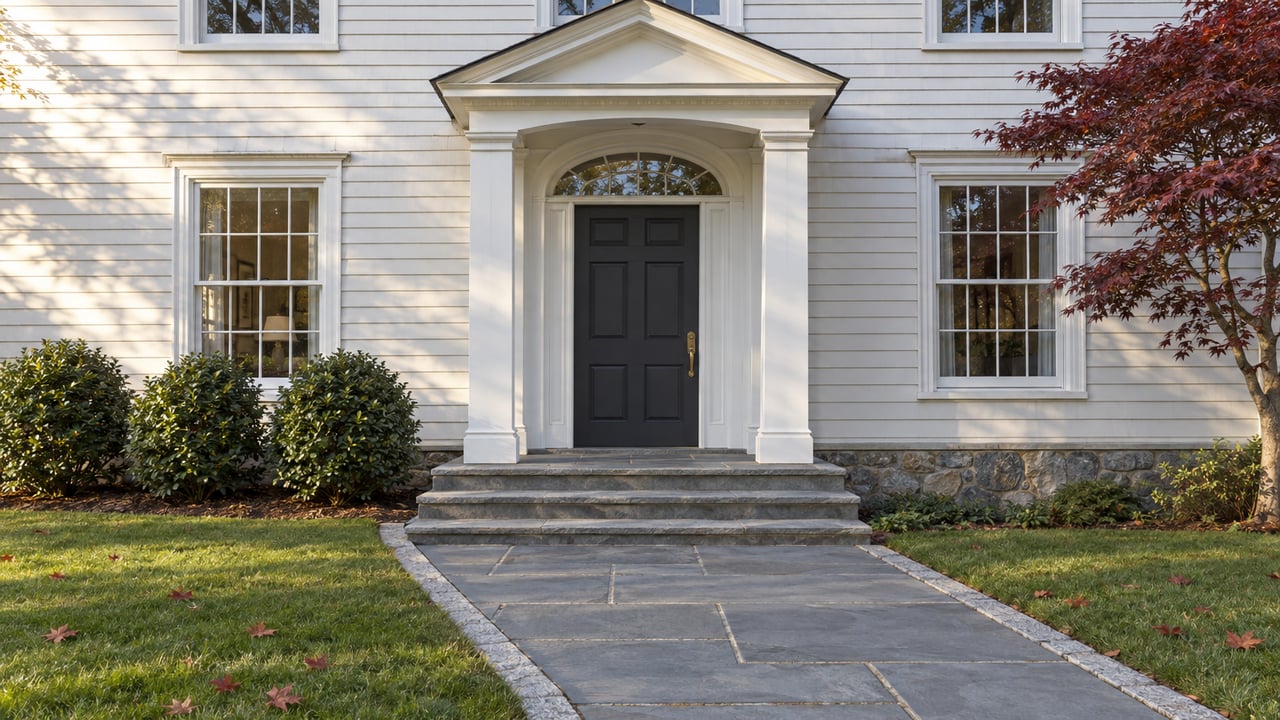
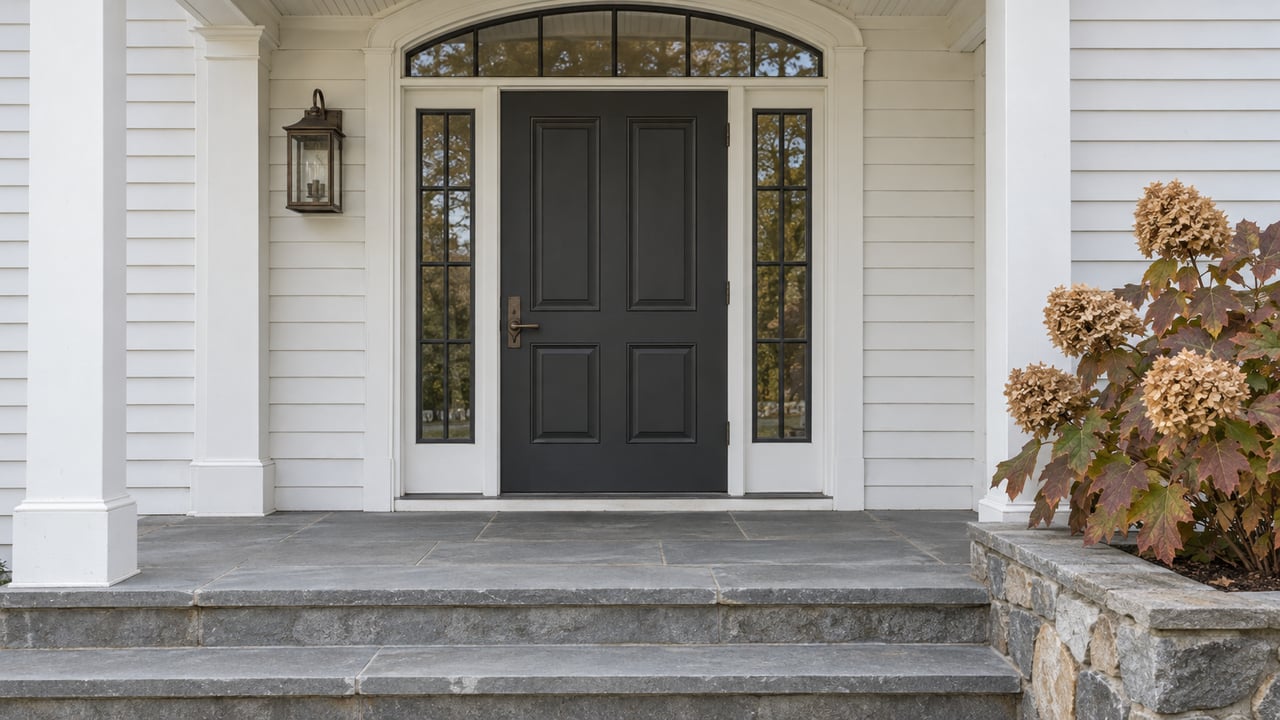
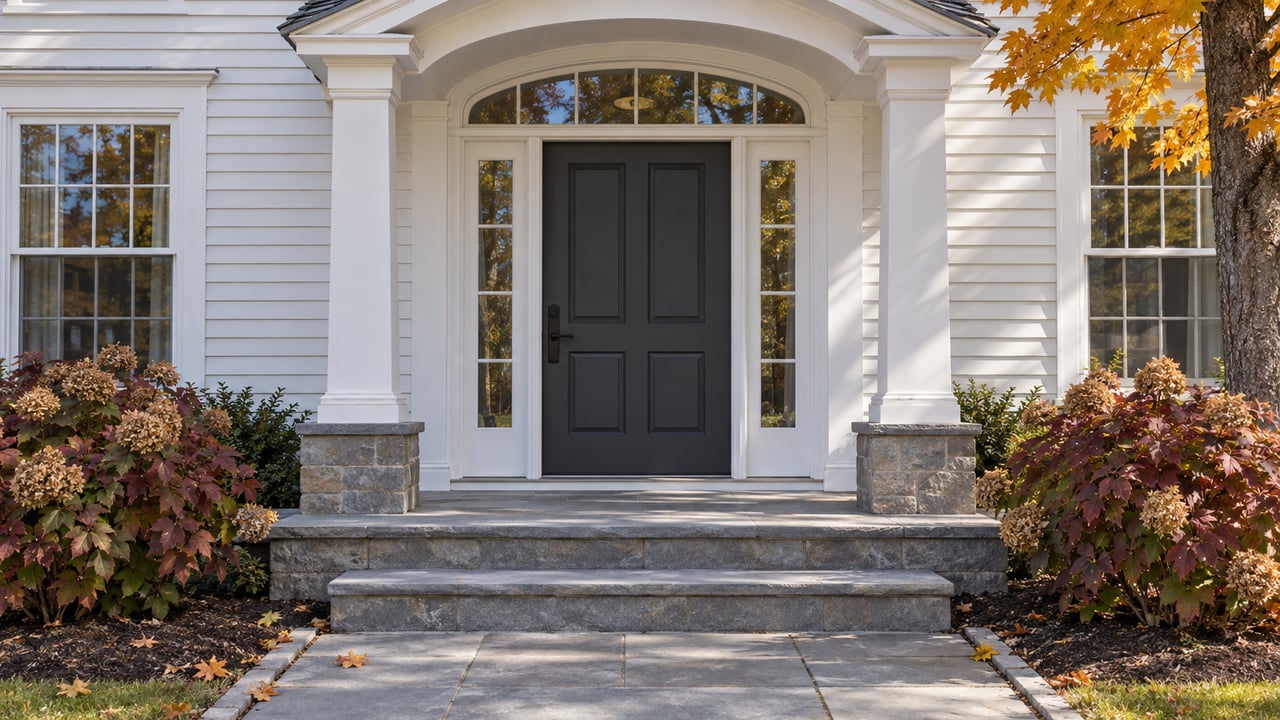
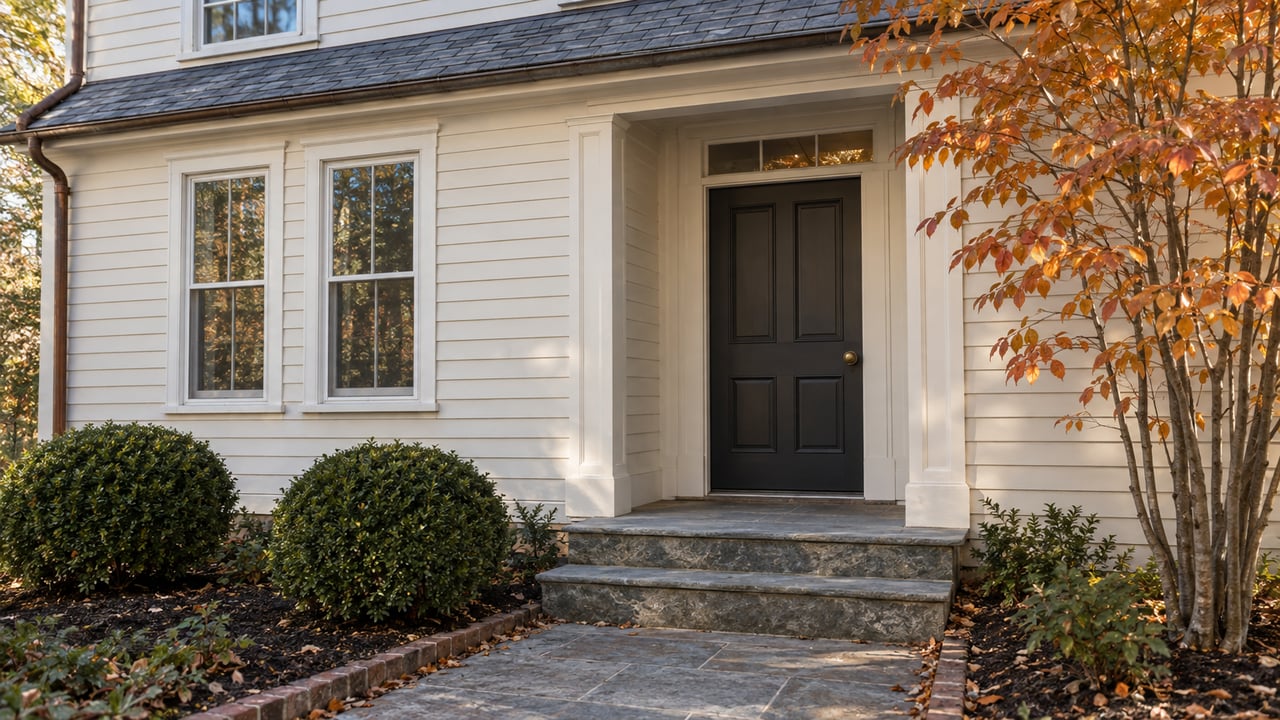
Near the water, you will see classic New England architecture — shingle cottages, clapboard colonials, and mid-century homes — alongside newer elevated builds with larger windows, decks, and flood-compliant foundations. In SoNo, many options are condos or lofts near the river. In Rowayton and the peninsulas, traditional shingle and colonial styles dominate, often with club access nearby.
For pricing, use the city and a waterfront pocket to frame the range. Zillow’s snapshot showed a typical Norwalk home value of about 634,094 dollars as of Jan 31, 2026, with a city median sale near 599,833 dollars as of Dec 31, 2025. By contrast, Realtor.com reported Rowayton’s median listing price near 3,195,000 dollars in Oct 2025. Providers use different data windows, but the pattern holds: direct waterfront, views, and docks command a significant premium over the city median.
Everyday coastal living
Beaches and parks
Calf Pasture and Shady Beach anchor summer life with swimming, playgrounds, and lawn space for gatherings. The city posts resident permits, guest passes, and seasonal rules on its parks page. Check event calendars for concerts and family days.
Boating, marinas, and moorings
You will find a strong boating culture up and down the harbor. Norwalk Cove Marina provides full-service dockage, fuel, repairs, and on-site food options, while the South Norwalk Boat Club serves members with slips and community programming. Learn more about services at Norwalk Cove Marina and club details via the South Norwalk Boat Club.
Slip and mooring space is finite. Local reporting and harbor notes suggest that seasonal spots can fill quickly, and some clubs may have waiting lists. If boating is central to your plans, it pays to reach out early. For context, see coverage that advises boaters to plan ahead for slips and moorings in Norwalk’s harbor, as reported by The Hour.
Dock-and-dine and waterfront restaurants
“Dock-and-dine” is part of the fun. Popular stops include Rowayton Seafood, SoNo Seaport Seafood, and on-marina spots like Sunset Grill and The Galley at Norwalk Cove. Many boaters tie up for lunch, then stroll Washington Street for dessert or coffee. For a local flavor overview, see this harbor profile from New England Boating.
Islands and ferry adventures
From spring through fall, locals ride the ferry to Sheffield Island to tour the lighthouse, picnic, and take in Sound views. Cruises are operated by the Norwalk Seaport Association. Check current schedules, ticketing, and seasonal events on the Norwalk Seaport Association site. Nature lovers also visit the Norwalk Islands, part of the regional Stewart B. McKinney National Wildlife Refuge. See visitor guidance for the refuge’s islands unit via the U.S. Fish & Wildlife Service.
What changes near the water
Flood zones and building rules
Coastal properties face extra building standards. Norwalk’s Planning & Zoning and Building teams explain that finished living space is generally required to be at least two feet above FEMA’s Base Flood Elevation, and many projects need flood vents, breakaway walls, and flood-resistant materials. Elevation certificates and engineered flood documents are common permitting items. Review the city’s guidance on Norwalk’s flood hazard zones, and browse a sample Coastal Area Management record to see how a real project addressed elevation and retrofits, such as the 22 Harbor View Avenue CAM file.
Flood maps and insurance costs
Lenders use FEMA’s Flood Insurance Rate Maps to determine mandatory flood insurance for federally backed loans. Premiums under Risk Rating 2.0 are now property-specific and factor in distance to water, elevation, flood frequency, and rebuild cost. That means two homes on the same block can have very different premiums. Start with FEMA’s Flood Map Service to understand mapped risk, then ask a licensed agent for both NFIP and private quotes. For a plain-English overview of how rating works, see NFIP’s article on Risk Rating 2.0. Elevation certificates and mitigation steps, like elevating mechanicals, can help reduce costs.
Maintenance and permitting
Salt air, tides, and storms add wear to bulkheads, docks, and exterior materials. Plan for more frequent inspections and specialized contractors. If a property includes a private pier or bulkhead, confirm prior permits and whether repairs or replacements will require new approvals from the city and state. The City of Norwalk’s Conservation office is a helpful starting point for contacts and process notes at the Conservation Department.
Water quality and beach advisories
Summer water quality can change after heavy rains. The city and state post beach advisories between Memorial Day and Labor Day. In recent seasons, local media have covered temporary closures tied to elevated bacteria counts following storms. Stay current by checking city pages and recent coverage like this report from The Hour.
Community resilience efforts
Norwalk and regional partners continue investing in coastal resilience, including salt-marsh restoration and planning work around key waterfront parks. These projects support habitat, storm buffering, and long-term access. For a look at regional restoration efforts and grant-backed projects, see NOAA’s story on salt-marsh restoration.
Smart planning tips for buyers
- Map your daily routine. Try a test commute on the Metro-North New Haven Line from South Norwalk, Rowayton, or East Norwalk. Time a school drop-off, beach stop, and evening errands to see how the neighborhood supports your week.
- Budget beyond the purchase price. Include flood insurance, higher exterior maintenance, and potential bulkhead or dock work in your annual plan.
- Ask early about slips and moorings. If you need a seasonal slip, call marinas and clubs months ahead. See planning guidance in local coverage from The Hour and check Norwalk Cove Marina for services.
- Verify elevation and permits. Pull elevation certificates, review the property’s CAM history, and confirm what future changes would require. Start with FEMA’s flood map portal and the city’s flood guidance, plus a look at a sample CAM record.
- Understand public vs private access. Public beaches like Calf Pasture and Shady Beach are open to residents with permits, while private shoreline clubs operate by membership, with different amenities and guest policies.
Living near the water, made simple
If coastal living is your goal, Norwalk offers a friendly mix of beaches, boating, and neighborhood variety within an hour of New York City trains. With the right planning on insurance, maintenance, and slip logistics, you can enjoy the perks of the Sound with fewer surprises. When you are ready to explore homes by the water or compare neighborhoods, reach out to Tom Flynn for local guidance and a clear plan.
FAQs
How do Norwalk waterfront prices compare to city averages?
- Zillow’s citywide snapshot showed a typical Norwalk home value near 634,094 dollars as of Jan 31, 2026, and a city median sale around 599,833 dollars as of Dec 31, 2025, while Realtor.com reported Rowayton’s median listing near 3,195,000 dollars in Oct 2025, highlighting the premium for direct water and views.
Which Norwalk neighborhoods are closest to the water?
- Rowayton, South Norwalk (SoNo), East Norwalk around Calf Pasture, and smaller enclaves like Shorefront Park and Marvin Beach all sit by the harbor or Sound with varying home types and access.
Do I need flood insurance for a waterfront home in Norwalk?
- If the home is in a FEMA Special Flood Hazard Area and you have a federally backed mortgage, insurance is required; under Risk Rating 2.0, premiums are property-specific, so check FEMA’s flood maps and review NFIP guidance on Risk Rating 2.0, then get quotes from a licensed agent.
Where can I find marina slips or moorings in Norwalk?
- Start with Norwalk Cove Marina and the South Norwalk Boat Club, and plan ahead since space is limited as noted by local reporting.
What are the main public beaches in Norwalk?
- Calf Pasture Beach and Shady Beach are the city’s primary public beaches, with seasonal rules and resident permit information posted by the City of Norwalk.
Are there seasonal beach or water quality advisories in Norwalk?
- Yes, advisories and occasional closures can occur after heavy rain; check city pages and recent coverage like this report from The Hour during swim season.