Thinking about a second home in Westport? You are not alone. Westport offers a mix that is hard to find in one place: shoreline access, a lively town center, and an easy connection to the Metro-North line. If you are weighing a weekend place, a part-time home, or a future retirement base, this guide will help you think through what makes Westport appealing and what deserves extra planning before you buy. Let’s dive in.
Why Westport Stands Out
Westport has a strong second-home appeal because it blends coastal recreation with everyday convenience. The town has miles of coastline on Long Island Sound, four town beaches, and access to Sherwood Island State Park, Connecticut’s first state park. For many buyers, that creates the kind of lifestyle that feels like a getaway without giving up practical amenities.
Compo Beach is one of the town’s best-known shoreline destinations. It is a 29-acre park along the Saugatuck River with a boardwalk, pavilion, concession stand, volleyball courts, a playscape, bathrooms, lockers, and marina access. If your ideal second home includes summer beach days, water views, or a casual outdoor routine, that matters.
Westport also offers more than just the shoreline. The town describes itself as combining proximity to New York City with small-town character, and it has more than 70 restaurant options. Main Street and Saugatuck Center give you two distinct business and dining areas, which helps make part-time living feel active and convenient instead of sleepy or seasonal.
Westport Lifestyle Beyond the Beach
A second home works best when you actually want to use it year-round. In Westport, arts and civic life add another layer to the appeal. The official town arts resources highlight the Levitt Pavilion, Westport Country Playhouse, MOCA, and the Westport Library.
The Levitt Pavilion alone offers about 60 free concerts each summer. That kind of steady programming can make a weekend home feel connected to a real community rhythm. If you are not just buying for summer, those local amenities can help Westport feel useful and enjoyable across more of the calendar.
For buyers who picture a future shift from part-time to full-time living, this matters even more. You may want a place that supports quiet weekends now but can also support a fuller lifestyle later. Westport’s mix of recreation, dining, and culture gives you more than one reason to be there.
Property Types to Compare
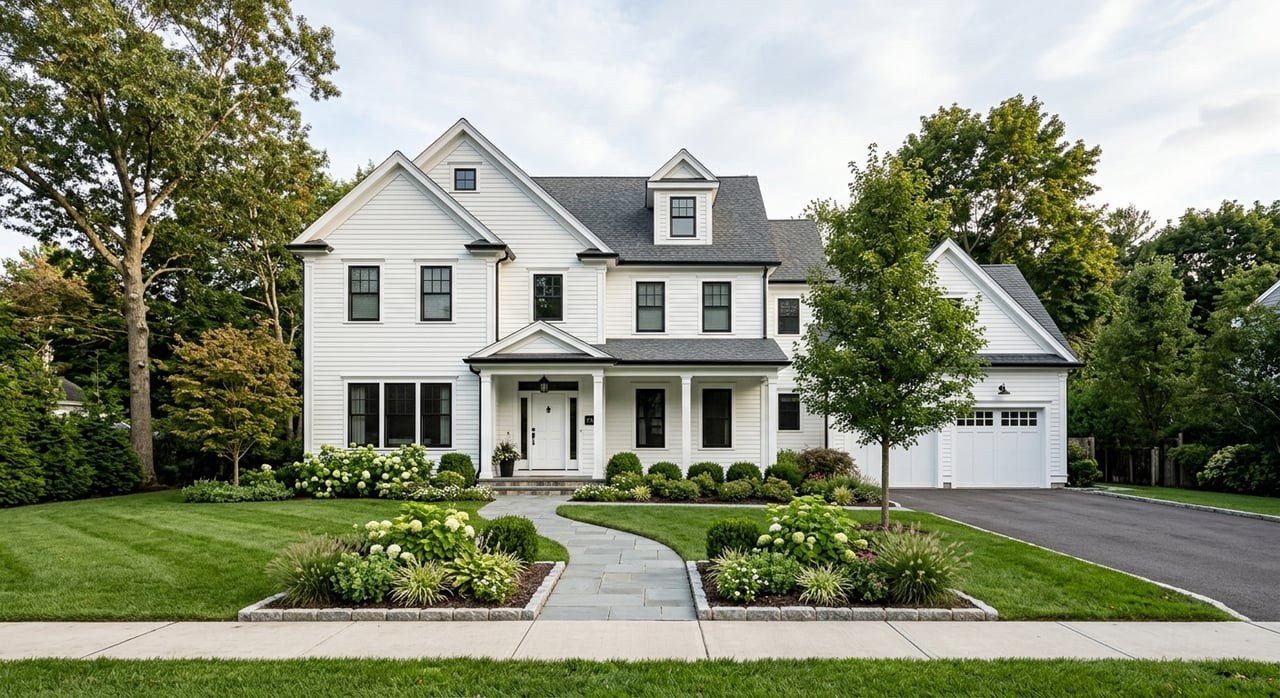
If you are considering a second home in Westport, one of your first choices is usually simple: more space or less upkeep. The town’s housing mix includes single-family homes on 1- and 2-acre lots, modern coastal homes, and more walkable residences near downtown. Westport zoning regulations also define condominium and town-house dwelling types, so lower-maintenance ownership options are part of the local market picture.
For many part-time buyers, this becomes a lifestyle decision before it becomes a design decision. A detached home may offer more privacy, outdoor space, or long-term flexibility. A condo or townhouse may offer easier lock-and-leave ownership, which can be a major advantage if you are only using the home on weekends or during certain seasons.
Westport is also a high-value market. Census QuickFacts reports an owner-occupied housing rate of 88.8% and a median value of owner-occupied housing units at $1,405,200 for 2020 through 2024. A town housing profile also shows that 3.0% of units are classified as seasonal, recreational, or occasional use, which suggests that part-time ownership exists here, even if it is not the dominant pattern.
Beach Access Requires Planning
It is easy to assume beach access comes with a simple yes or no answer. In Westport, the reality is more specific. The town requires vehicle parking emblems from May 1 through September 30, or a daily fee may apply, depending on the beach and your access situation.
Compo Beach daily passes are limited to 125 per day. Guests without a beach emblem must pay daily parking fees, and Old Mill Beach is residents only. That does not mean beach use is difficult, but it does mean you should treat it as part of your ownership planning rather than as an automatic perk.
This is especially important if you expect to host friends or family during the summer. A home near the water may still involve access rules, guest parking costs, or limits that affect how you use the property. If beach convenience is a big part of your vision, it is smart to understand the details early.
Train Access Is Helpful, Not Automatic
Westport’s commuter convenience is a major draw for many second-home buyers. The town is home to two Metro-North rail stations, and the New Haven Line schedule includes both Westport and Greens Farms. If you want a weekend property that still feels connected to New York, this can be a real plus.
That said, station parking deserves its own line item in your planning. The town notes that daily parking is limited and currently costs $6.38, while permit parking is available in designated areas. There is also Wheels2U Westport, an on-demand shared ride service between most of Westport and the Saugatuck and Greens Farms stations.
This means train access can absolutely support second-home use, but you should not assume the logistics solve themselves. If your plan depends on quick station access, check parking availability, permit rules, and ride options as part of your search. A great property can feel less convenient if the station routine does not match how you travel.
Flood Risk Needs Close Review
If you are drawn to shoreline, riverfront, or low-lying areas, flood risk should be part of your home search from the start. FEMA’s Flood Map Service Center is the official public source for flood hazard information, and Westport directs residents to local flood-zone maps and flood-protection resources. In a town with coastal and water-adjacent homes, that due diligence is essential.
Westport also has inland wetlands and watercourse regulations, waterway protection line regulations, and a Flood and Erosion Control Board. Those local layers matter because parcel-specific conditions can affect insurance, renovation plans, and even how you think about long-term maintenance. Two homes that seem similar online may come with very different review issues once you dig deeper.
For a second-home buyer, this is not just a technical detail. It can affect carrying costs, renovation plans, and how carefree the ownership experience really feels. If you want a low-stress property, understanding flood and site conditions early can save time and money later.
Tax and Financing Questions Matter More
Second-home financing is not always the same as buying a primary residence. The IRS notes that home mortgage interest is generally deductible on a qualified main home or second home, and it also notes limits on mortgage-interest and state-and-local-tax deductions for homeowners. That makes lender and tax-adviser input especially important.
This is even more true if you are thinking about mixed use, a future move to full-time occupancy, or any rental component. Your goals may evolve, and the structure of the purchase should fit those possibilities as closely as possible. It is better to ask those questions early than to discover limits after closing.
A second home can be both a lifestyle move and a financial commitment. Looking at financing, tax treatment, and long-term use together gives you a more realistic picture of what ownership will feel like.
Why Local Guidance Helps
Westport is appealing, but it is not a market to approach casually. Beach emblems, railroad parking, floodplain review, wetlands issues, zoning rules, and permits can all shape the day-to-day usefulness of a property. The Building Department handles permits and inspections, and the Planning and Zoning Department directs zoning questions to staff and current code resources.
That is one reason local guidance matters so much here. The right property is not just the one with the nicest photos or shortest drive to the beach. It is the one that matches how often you will use it, how much upkeep you want, and what kind of access and logistics fit your life.
If you are comparing Westport homes, condos, or townhouses, it helps to have someone who can keep the search practical. A second home should feel exciting, but it should also feel workable. That balance is where smart planning pays off.
If you are exploring a second home in Westport and want a practical, responsive advisor to help you weigh the tradeoffs, Tom Flynn can help you evaluate the right fit for your goals.
FAQs
Is Westport a good place for a second home?
- Yes. Westport offers shoreline access, dining, arts, and Metro-North access, which makes it appealing for weekend use, part-time living, or a future retirement base.
Can second-home owners use Westport beaches?
- Yes, but beach access is governed by seasonal parking emblems, daily fees, and beach-specific rules. Compo Beach daily passes are limited, and Old Mill Beach is residents only.
Are condos and townhouses available in Westport?
- Yes. Westport zoning regulations define condominium and town-house dwelling types, and the town’s housing mix includes both larger-lot homes and lower-maintenance ownership options.
How important is flood-zone research for Westport homes?
- It is very important, especially for shoreline, riverfront, or low-lying properties. Buyers should review FEMA flood maps and Westport’s local flood and wetlands resources before making an offer.
Is the train a practical reason to buy a second home in Westport?
- Yes, but you should plan for station parking rules, daily parking costs, permit availability, and local ride options such as Wheels2U Westport.
What should you budget for beyond the purchase price of a Westport second home?
- You should think about parking fees or permits, possible beach-access costs, maintenance, flood-related considerations, and any financing or tax questions tied to second-home ownership.