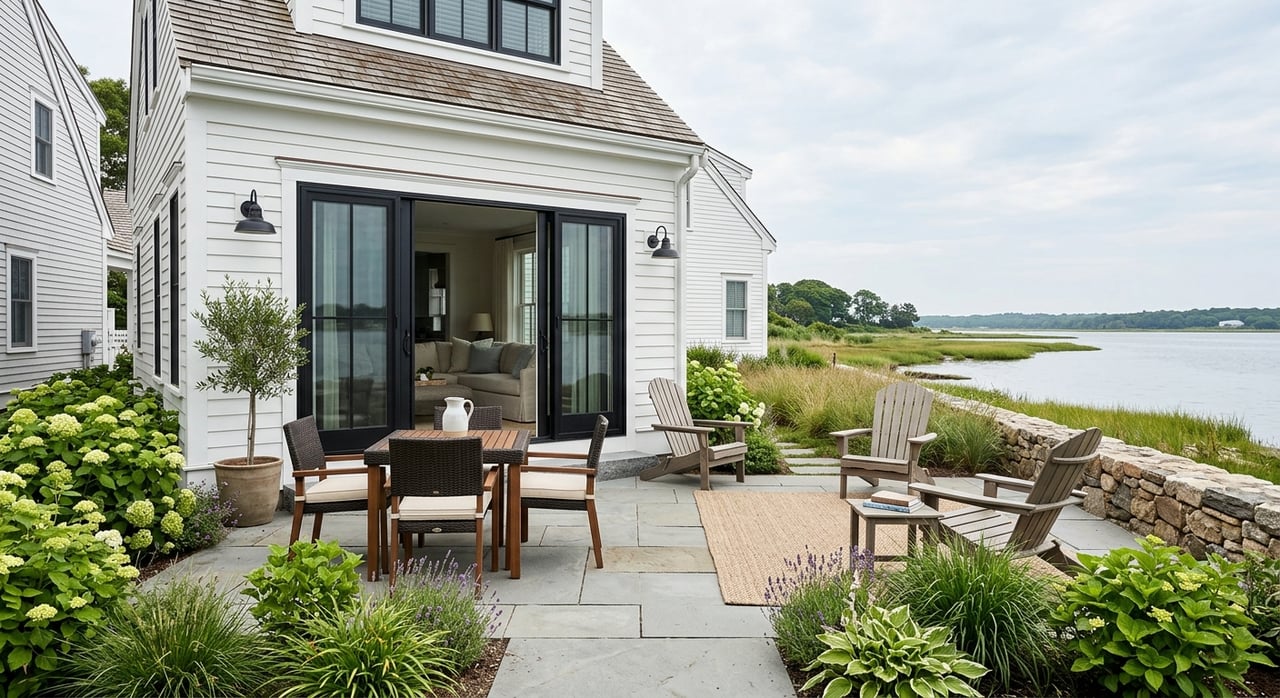
If you’re deciding between a walkable in-town condo and a home closer to the water, Norwalk gives you a real choice. Each setting supports a different daily routine, budget, and home style, so the best fit depends on how you want to live, not just what looks good on paper. This guide breaks down the practical differences between in-town and waterfront living in Norwalk so you can weigh commute, housing, lifestyle, and long-term ownership with more confidence. Let’s dive in.
What In-Town and Waterfront Mean in Norwalk
In Norwalk, in-town living usually points to the downtown and commuter core around Wall Street, West Avenue, and South Norwalk near the South Norwalk station. City planning materials describe this area as Norwalk’s traditional downtown and a clustered urban core with businesses, housing, civic uses, and shops. It is also framed as a walkable, livable area with strong transit access.
Waterfront living in Norwalk is a different setting. It generally centers on East Norwalk and beach-adjacent areas near Calf Pasture Beach, Shady Beach, Veterans Park and Marina, Oyster Shell Park, and the harbor corridor. City maps and planning materials treat these shoreline areas as distinct from downtown, which matters when you are comparing day-to-day living.
In-Town Living: Convenience First
If your week revolves around errands, train access, and a more connected street life, in-town Norwalk often stands out. The downtown and South Norwalk areas are built around a more urban pattern, with businesses, services, housing, and transit clustered together. That can make daily routines feel simpler and more efficient.
For many buyers, the biggest draw is reduced car dependence. Norwalk’s planning documents support housing tied to transit and walkable neighborhoods, and the city notes that keeping housing near jobs can help reduce commute times and traffic. If you want to walk more often and drive less often, this side of Norwalk typically aligns better with that goal.
South Norwalk Commute Benefits
South Norwalk is the clearest transit-oriented choice in the city. The South Norwalk Metro-North station is accessible and includes elevators, ramps, tactile warning strips, audiovisual passenger information systems, and Norwalk Transit connections. MTA information also notes commuter shuttle connections serving the station.
That matters if your schedule includes regular train travel. Whether you commute often or just want the option, being near South Norwalk can make your routine easier to plan. It also gives you more flexibility if accessibility is part of your search criteria.
Housing Mix In-Town
The city says Norwalk’s urban core includes newer multi-family apartment buildings and condominiums ranging from studios to three bedrooms. In older parts of South Norwalk, housing stock can also include smaller or older units that may be naturally more affordable because of age, size, or fewer amenities. The station-area report also notes that older housing stock helps explain a lower cost of living in SoNo compared with some surrounding areas.
For you as a buyer, that often means more condo and apartment-style options and less exterior maintenance. If you are a first-time buyer, downsizer, or busy professional, that lower-maintenance setup can be a real advantage.
Waterfront Living: Recreation and Shoreline Access
If your ideal day includes harbor views, beach access, and more outdoor recreation, waterfront Norwalk may feel like the better fit. The shoreline side of the city offers a lifestyle built more around leisure, open space, and access to water than around commuting convenience.
This part of Norwalk includes destinations that shape daily life and weekends. Calf Pasture Beach offers scenic coastline along with volleyball, baseball, a skate park, playground, splash pad, sailing school, and seasonal events. Veterans Park and Marina adds a marina, boat launch, visitor docks, and a harbor esplanade.
Trail, Beach, and Boating Access
Waterfront walkability looks different from in-town walkability. Instead of walking to errands and the train, you are more likely to walk for recreation, views, and time outdoors. That can be a major quality-of-life benefit if you want your home environment to support an active weekend routine.
The Norwalk section of the Norwalk River Valley Trail runs 9.6 miles from Calf Pasture Beach to Broad Street. Trail access includes areas near Calf Pasture, Veterans Park, the Maritime Aquarium, and Oyster Shell Park. If beach days, trail use, or boating matter more to you than transit convenience, waterfront areas have a strong appeal.
Housing Mix Near the Water
The city notes that Norwalk’s outer areas include beachfront cottages and single-family homes. Compared with the urban core, waterfront and water-adjacent housing is more likely to include detached homes and more specialized property types. Those homes may also be less plentiful than condo inventory in the in-town core.
That housing mix can affect both price and process. In general, buyers near the water may be comparing a narrower set of options, with more variation from one property to the next.
Budget Differences to Expect
For many buyers, one of the biggest questions is affordability. Based on the city’s housing materials, downtown and South Norwalk are more likely to include older, smaller, or naturally affordable units, while waterfront areas more often reflect detached-home appeal and proximity to the water. That is not a fixed rule for every listing, but it is a useful starting point.
If you are trying to stay flexible on budget, in-town housing may offer more entry points. If your priority is shoreline access or a detached home setting, the waterfront side may require more tradeoffs in size, features, or total monthly cost.
Extra Waterfront Ownership Costs
Waterfront ownership can come with added layers that buyers should understand early. The city notes that flood hazard zones involve higher risk, special regulations, and flood insurance requirements. Coastal work may also require coastal site plan review.
These factors do not make waterfront living the wrong choice. They simply mean you should expect more moving parts than you might see in a typical downtown condo purchase. If you are comparing homes, it helps to look beyond list price and ask about insurance, site constraints, and any review requirements tied to the location.
Daily Lifestyle: Which Routine Fits You?
The right choice often comes down to how you spend your time Monday through Friday and what you want from weekends. In-town living tends to suit buyers who want a stronger mix of restaurants, services, walkable errands, and train access. The harbor area is also minutes from dining, entertainment, boutiques, art and history exhibits, the Maritime Aquarium, and the library, which adds to the convenience factor.
Waterfront living tends to fit buyers who care more about outdoor recreation and access to the shoreline. If you picture free time spent near the beach, on the trail, around the marina, or by the harbor, the shoreline side may feel more aligned with your lifestyle.
Comparing In-Town and Waterfront Norwalk
| Factor | In-Town Norwalk | Waterfront Norwalk |
|---|---|---|
| Typical setting | Downtown and South Norwalk urban core | East Norwalk and beach-adjacent shoreline areas |
| Housing types | Condos, apartments, multi-family, older smaller units | Detached homes, cottages, waterfront-adjacent properties |
| Commute access | Stronger Metro-North and transit connections | More limited transit convenience depending on location |
| Walkability style | Errands, dining, services, station access | Recreation, trail access, beach and harbor walks |
| Maintenance profile | Often lower-maintenance living | Often more property-specific upkeep |
| Budget pattern | More likely to include naturally affordable options | More likely to involve water-premium pricing and added ownership costs |
Practical Questions to Ask Yourself
Before you choose one side over the other, think about what you want your home to make easier. A beautiful setting matters, but so does the rhythm of daily life and the true cost of ownership.
Ask yourself:
- Do you want regular Metro-North access?
- Would you rather walk to services or walk along the water?
- Are you looking for a condo or a detached home?
- How important is lower maintenance?
- Are you comfortable with possible flood insurance or coastal review issues?
- Do you expect to use beach, boating, or trail amenities often?
Your answers can usually point you toward the better fit faster than browsing photos alone.
How to Choose the Best Fit
If convenience, transit, and lower-maintenance living rank highest, in-town Norwalk may be the better match. It tends to support a more efficient weekday routine and can offer more housing variety for buyers who want condos or smaller homes. It may also make sense if you are trying to keep options open on budget.
If your goal is shoreline access, outdoor recreation, and a home environment shaped by the water, waterfront Norwalk may be worth the extra complexity. You may give up some commuter ease, but you gain a lifestyle centered on beach access, boating, trail use, and harbor surroundings.
The key is to compare not just neighborhoods, but habits. When your home fits the way you actually live, the decision usually becomes much clearer.
If you’re weighing in-town versus waterfront living in Norwalk and want practical guidance tailored to your budget, commute, and goals, Tom Flynn can help you compare options and move forward with confidence.
FAQs
Which Norwalk area is best for a Metro-North commute?
- South Norwalk is the clearest transit-oriented option because it has the main accessible Metro-North station, Norwalk Transit connections, and a planning focus on walkable, transit-linked living.
Which Norwalk area may feel more affordable for buyers?
- Downtown and South Norwalk may offer more naturally affordable options because the city notes older, smaller, or less amenity-rich housing stock in those areas.
Which Norwalk area is better for a low-car lifestyle?
- In-town areas like downtown and South Norwalk are generally better for a low-car lifestyle because they are more closely tied to transit, walkability, and clustered services.
Which Norwalk area is better for beach and boating access?
- Waterfront and beach-adjacent areas are better for beach and boating access, especially near Calf Pasture Beach, Veterans Park and Marina, Oyster Shell Park, and the harbor corridor.
What should buyers know about waterfront homes in Norwalk?
- Waterfront homes may involve added considerations such as flood hazard zones, flood insurance requirements, and possible coastal site plan review depending on the property and location.